

Ultimate Guide to Dog Fleas Prevention Tips

Introduction

AI-generated image for: a cute puppy in a warm home, living room, realistic

Dog fleas are more than just an itchy nuisance for our canine companions; they can lead to significant health issues if not managed effectively. The importance of flea prevention for dogs cannot be overstated, as these tiny parasites can cause a range of problems from mild irritation to severe allergic reactions and even anemia in extreme cases. By understanding and implementing effective dog fleas prevention strategies, pet owners can ensure their dogs lead happy and healthy lives.

Flea-related problems are common among dogs, and they can escalate quickly if not addressed. A single flea can lay hundreds of eggs, leading to an infestation within a matter of weeks. Fleas are also vectors for various diseases and can transmit tapeworms if ingested. Therefore, a proactive approach to flea prevention is crucial for every dog owner.

Understanding Dog Fleas

To effectively combat fleas, it is essential to understand their biology and behavior. The life cycle of fleas consists of four stages: egg, larva, pupa, and adult. The entire cycle can be completed in as little as three weeks under favorable conditions, making it easy for fleas to rapidly reproduce and spread. Eggs are laid on the host but often fall off into the environment, where they hatch into larvae. These larvae then spin cocoons and develop into pupae, eventually emerging as adult fleas ready to find a host.

Fleas affect dogs in several ways. They are known for causing itchy and irritated skin, which can lead to excessive scratching and secondary skin infections. Some dogs are allergic to flea saliva, resulting in flea allergy dermatitis, a condition characterized by intense itching and inflammation. Additionally, heavy flea infestations can lead to anemia, particularly in puppies or smaller dogs, due to the blood loss from flea bites.

Preventing Fleas on Pets

Effective dog fleas prevention involves multiple strategies to minimize the risk of infestation. Limiting outdoor exposure is one way to reduce the chances of encountering fleas. While it’s important for dogs to get exercise and fresh air, reducing time spent in areas known for high flea populations, such as tall grass or wooded areas, can help. Additionally, keeping yards well-maintained by regularly mowing the lawn and removing debris can make the environment less hospitable for fleas.

Reducing contact with wild animals is another crucial step in preventing fleas. Wild animals like raccoons, squirrels, and feral cats can carry fleas that may transfer to pets if they come into close contact. Ensuring your yard is secure and discouraging wildlife from entering can help mitigate this risk.

Regular bathing and brushing are essential components of dog fleas prevention. Bathing your dog with flea-repelling shampoos can help remove any fleas present and soothe irritated skin. Brushing not only helps to remove fleas and eggs but also allows you to check for any signs of flea activity, enabling early intervention.

Common Flea Prevention Products

There is a wide range of products available for dog fleas prevention, each with its own benefits and application methods. Oral flea medications are a popular choice for many pet owners due to their convenience and efficacy. These medications typically work by disrupting the flea’s life cycle, preventing eggs from hatching and killing adult fleas.

Topical treatments are another effective option for dog fleas prevention. These treatments are usually applied to the back of the dog’s neck, where they spread across the skin to provide protection against fleas. They often repel and kill fleas on contact, preventing them from biting the dog.

Flea collars are a traditional method of flea control and can be particularly useful for long-lasting protection. Modern flea collars have improved significantly and now offer extended protection by slowly releasing flea-repelling chemicals over several months.

Shampoos and sprays are also available for immediate flea control. These products can be used to quickly eliminate fleas on the dog, although they may not provide long-term prevention. Shampoos and sprays are best used in conjunction with other flea prevention methods for comprehensive protection.

Year-Round Flea Prevention

While fleas are often associated with warmer months, it is important to practice year-round flea prevention. Fleas can survive indoors and continue to reproduce even during colder weather, making consistent treatment essential. By maintaining a regular flea prevention regimen, pet owners can protect their dogs from the discomfort and health risks associated with fleas.

Consistent treatment is key to effective dog fleas prevention. Skipping treatments or taking a seasonal approach can leave dogs vulnerable to infestations. By integrating flea prevention into the routine care of your dog, you can ensure that your pet remains happy, healthy, and free from fleas all year round.

Seasonal Considerations

When it comes to dog fleas prevention, understanding the seasonal patterns of flea activity can be crucial. Fleas thrive in warm, humid environments, making spring and summer peak times for infestations. However, in regions with mild winters, fleas can be a year-round problem. During colder months, fleas may seek the warmth and shelter provided by your home, so vigilance is necessary throughout the year. Regular monitoring and preventive measures tailored to the seasons can effectively reduce the risk of flea infestations.

Popular Flea Prevention Brands

Overview of Advantage, Bravecto, Comfortis

Advantage, Bravecto, and Comfortis are among the most trusted brands for dog fleas prevention. Advantage is a topical treatment that kills fleas on contact, providing relief within 12 hours. It is easy to administer and offers protection for up to a month. Bravecto, on the other hand, is an oral chew that provides long-lasting protection—up to 12 weeks. It is particularly effective for dogs that may resist topical applications. Comfortis is another oral option, working quickly to kill fleas within 30 minutes and lasting for a full month. Each of these brands has its advantages, and choosing the right one depends on your dog’s specific needs and lifestyle.

Detailed Look at Frontline, Credelio, Nexgard

Frontline is a well-known topical flea treatment that offers protection against fleas and ticks. It spreads through the oils of your dog’s skin and hair, effectively killing fleas within 24 hours. Credelio is a chewable tablet that targets fleas and ticks, ensuring rapid action and monthly protection. It is known for being well-tolerated by dogs, including those with sensitivities. Nexgard is another popular chewable option, praised for its palatability and effectiveness in killing fleas and ticks fast. Understanding these options allows you to make informed decisions on the best dog fleas prevention strategy for your pet.

Safe Use of Flea Products

Products Safe for Pregnant or Nursing Dogs

When considering dog fleas prevention for pregnant or nursing dogs, safety is paramount. Not all flea products are suitable for these sensitive stages. It’s crucial to choose products specifically labeled as safe for use during pregnancy and lactation. Some brands offer specific formulations or have been tested and proven safe for these conditions. Always read labels carefully and, when in doubt, consult with a veterinarian to ensure your dog’s health and the safety of her puppies.

Consulting a Veterinarian

Consulting a veterinarian is a crucial step in dog fleas prevention, especially when dealing with special cases such as pregnant or nursing dogs, puppies, or dogs with existing health issues. A veterinarian can provide tailored advice, recommend suitable products, and ensure that your chosen flea prevention strategy does not interfere with any other treatments your dog may be receiving. This professional guidance is invaluable in maintaining your dog’s health and well-being.

Natural and Home Remedies

Effectiveness of Natural Solutions

Natural solutions for dog fleas prevention are gaining popularity among pet owners who prefer chemical-free alternatives. Essential oils such as lavender, peppermint, and cedarwood are often used for their repellent properties. However, the effectiveness of these solutions can vary, and they may not provide the same level of protection as conventional products. It’s essential to research thoroughly and consider the level of flea activity in your area when opting for natural remedies.

DIY Flea-Repellent Methods

DIY flea-repellent methods can be a part of your overall dog fleas prevention strategy. These may include homemade sprays using diluted essential oils, vinegar solutions, or herbal collars. Regular grooming with a flea comb can also help remove any fleas present on your dog’s coat. While these methods can provide some level of protection, they are often best used in conjunction with other preventive measures to ensure comprehensive flea control.

Environmental Control

Importance of Home Sanitation

Maintaining a clean home environment is a critical component of dog fleas prevention. Fleas can lay eggs in carpets, bedding, and furniture, leading to repeated infestations. Regular cleaning and sanitation disrupt the flea life cycle and reduce the chances of an outbreak. Ensuring that your dog’s bedding and favorite resting spots are kept clean can significantly minimize the presence of fleas in your home.

Vacuuming and Cleaning Strategies

Effective vacuuming and cleaning strategies play a vital role in dog fleas prevention. Vacuuming carpets, rugs, and upholstery frequently can help remove flea eggs and larvae. For best results, focus on areas where your pet spends the most time. Washing your dog’s bedding in hot water weekly is also recommended. Consider using flea sprays or powders on carpets and furniture to kill any remaining fleas and prevent future infestations.

Flea Control for Puppies

Special Considerations for Young Dogs

Flea control for puppies requires special considerations due to their developing systems and sensitivities. Puppies are more vulnerable to the adverse effects of chemicals, so selecting age-appropriate products is crucial. Many flea treatments are not recommended for puppies under a certain age or weight. Always check the manufacturer’s guidelines and consult with a veterinarian to ensure the safety and effectiveness of the product for your puppy.

Safe Products for Puppies

When it comes to dog fleas prevention in puppies, it’s essential to choose products specifically designed for their age and size. Some brands offer flea treatments formulated for puppies, ensuring a gentle yet effective approach. These products are typically tested for safety in young dogs and provide protection without compromising their health. Always follow dosing instructions carefully and monitor your puppy for any adverse reactions after application.

By integrating these strategies and considerations, you can effectively manage and prevent flea infestations, ensuring the health and comfort of your dog throughout the year. Dog fleas prevention is an ongoing process that involves a combination of product use, environmental management, and regular monitoring to keep your pet and home flea-free.

Dealing with Flea Infestations

Identifying Infestation

Fleas are among the most common parasites that affect dogs, and early identification is key to effective dog fleas prevention. Recognizing a flea infestation can sometimes be challenging, as these tiny pests are adept at hiding in your dog’s fur. Typical signs of an infestation include excessive scratching, biting, or licking, especially around the tail, groin, and neck areas. You might also notice small red bumps or patches of irritated skin, which could indicate flea bites. To confirm the presence of fleas, use a fine-toothed flea comb and check for adult fleas or flea dirt, which looks like small black specks. These specks, when placed on a damp paper towel, will turn reddish-brown as they dissolve, indicating they are flea feces.

Steps for Eradication

Once an infestation is confirmed, prompt action is essential for effective eradication and dog fleas prevention. Start by treating your dog with an appropriate flea control product, such as topical treatments, oral medications, or flea shampoos. Consult your veterinarian to choose the most suitable option for your pet. Simultaneously, it is crucial to treat your home environment, as fleas can quickly spread to carpets, bedding, and furniture. Vacuum your home thoroughly, wash your pet’s bedding in hot water, and consider using a flea spray or fogger for severe infestations. Remember, consistency is key in breaking the flea life cycle, so ongoing prevention efforts are necessary even after the initial eradication.

Flea Prevention in Multi-Pet Households

Coordinated Treatments

In households with multiple pets, coordinated treatment is vital for successful dog fleas prevention. Fleas can easily jump from one host to another, leading to a rapid spread of infestation. Ensure all pets in your home, including cats and other animals, receive flea treatment simultaneously. This comprehensive approach helps to minimize the risk of reinfestation. Discuss with your veterinarian the best products for each type of pet, as some flea treatments designed for dogs can be harmful to cats and vice versa. Regularly treating all pets, even if only one shows signs of fleas, is a proactive step in maintaining a flea-free household.

Managing Cross-Contamination

Cross-contamination is a significant concern in multi-pet environments, particularly when it comes to dog fleas prevention. Fleas can travel on shared bedding, carpets, and even living spaces. Therefore, it’s essential to maintain strict cleaning routines. Wash all pet bedding and vacuum frequently to remove any flea eggs or larvae that might be present. Pay close attention to common areas where pets spend time, and consider using pet-safe flea sprays or diatomaceous earth as additional preventive measures. Regular grooming sessions for each pet can also help in early detection and control of fleas, making it easier to manage and prevent infestations.

Flea Prevention for Dogs with Allergies

Identifying Flea Allergy Dermatitis

Flea Allergy Dermatitis (FAD) is a common condition in dogs that are hypersensitive to flea bites. This allergic reaction causes intense itching and discomfort, often leading to hair loss and secondary skin infections. Identifying FAD is crucial for effective flea prevention in dogs. Symptoms typically include severe scratching, red and inflamed skin, and the presence of hot spots. If you suspect your dog has FAD, consult your veterinarian for a proper diagnosis and treatment plan. Blood or skin tests may be conducted to confirm flea allergy and rule out other potential causes of skin irritation.

Treatment Options

Managing flea allergy dermatitis requires a multifaceted approach. Besides addressing the immediate symptoms, it’s crucial to implement an aggressive flea control strategy for dog fleas prevention. Your veterinarian may recommend antihistamines or corticosteroids to alleviate itching and inflammation. Additionally, using flea control products will help eliminate the fleas causing the allergic reaction. For dogs with severe allergies, prescription flea medications offering fast-acting relief are often the best choice. Furthermore, maintaining a clean environment and regular grooming can help minimize exposure to fleas in the first place, reducing the likelihood of allergic reactions.

Modern Technologies in Flea Control

Smart Collars and Devices

Advancements in technology have introduced new tools for dog fleas prevention, making it easier and more efficient than ever before. Smart collars equipped with flea-repelling technology are gaining popularity among pet owners. These collars use ultrasonic waves or essential oils to deter fleas without the use of chemicals. Some smart collars also feature GPS tracking and activity monitoring, providing additional benefits beyond flea control. By choosing a smart collar, pet owners can offer their dogs continuous protection against fleas while staying informed about their pet’s whereabouts and activity levels.

Innovations in Flea Detection

Modern innovations in flea detection are transforming the way pet owners approach dog fleas prevention. New devices and applications can detect the presence of fleas in your home or on your pet with greater accuracy than traditional methods. For instance, electronic flea traps use heat and light to attract and capture fleas, allowing you to monitor the severity of an infestation. Smartphone apps that analyze images of your pet’s skin can help identify fleas or flea dirt, facilitating early intervention. These technologies empower pet owners to take proactive steps in preventing flea infestations, ensuring a more comfortable and healthy environment for their pets.

Quick Takeaways:

Dog flea prevention is crucial for maintaining your pet’s health and comfort. Fleas can cause severe discomfort and lead to conditions like flea allergy dermatitis in dogs, making it essential to adopt effective prevention strategies. The best flea prevention for dogs often includes a combination of treatments such as topical solutions, oral medications, and flea collars. In multi-pet households, a coordinated approach is vital to ensure all animals are protected.

Natural flea remedies for dogs are gaining popularity among pet owners who prefer non-chemical solutions. Options like diatomaceous earth, apple cider vinegar, and essential oils can help deter fleas naturally. However, it’s important to research and use these remedies safely to avoid adverse reactions.

Dog flea prevention year-round is essential, as fleas can survive in many climates even during colder months. Regular grooming, vacuuming, and maintaining a clean environment can significantly reduce the risk of flea infestations. Modern flea control technologies, such as electronic flea traps, offer additional support in keeping your home flea-free.

For puppies and pregnant dogs, it’s crucial to choose the safest flea medication available. Consulting with a veterinarian can help you find the right products that are both safe and effective for vulnerable pets. Flea and tick prevention for puppies should start early to protect them from infestations and associated health risks.

Recognizing flea infestation signs in dogs, such as excessive scratching, biting, or red patches on the skin, is key to early intervention. Effective flea shampoos for dogs can serve as an immediate remedy to reduce flea populations on your pet. By balancing chemical and natural approaches, you can create a comprehensive flea prevention plan that suits your dog’s needs.

FAQs:

1.

What are the best flea prevention methods for dogs?

The best flea prevention for dogs typically involves a combination of topical treatments, oral medications, and flea collars. Topical treatments are applied directly to the dog’s skin, providing long-lasting protection. Oral medications, often given monthly, can be highly effective in killing fleas before they lay eggs. Flea collars are another option, offering extended protection by releasing chemicals that repel and kill fleas.

2.

Are there natural flea remedies for dogs that are effective?

Yes, several natural flea remedies for dogs can help deter these pests. Diatomaceous earth is a popular choice for its ability to dehydrate fleas. Essential oils like lavender and cedarwood can also repel fleas, but it’s important to dilute them properly to ensure safety. Apple cider vinegar can be used as a spray on your dog’s coat to make it less appealing to fleas. However, the effectiveness of these remedies can vary, and they may work best when combined with other prevention strategies.

3.

How can I ensure dog flea prevention year-round?

To achieve dog flea prevention year-round, maintain a clean living environment by vacuuming regularly and washing your pet’s bedding frequently. Regular grooming and bathing can help spot and reduce fleas early. Consider using modern flea control technologies like electronic traps, which can catch adult fleas in your home. Combining these methods with consistent use of flea prevention products will help keep fleas at bay all year.

4.

What should I consider for flea and tick prevention for puppies?

Puppies require special care when it comes to flea and tick prevention. It’s crucial to use products specifically designed for their age and size. Many flea treatments for adult dogs can be too strong for puppies, potentially causing harm. Consult your veterinarian for recommendations on the safest and most effective products. Regular checks for fleas and ticks, especially after outdoor activities, are also essential.

5.

Can flea prevention be a challenge in multi-pet households?

Yes, flea prevention in multi-pet households can be challenging but manageable with a coordinated approach. Treat all pets simultaneously to prevent fleas from hopping between animals. Use a combination of treatments tailored to each pet’s needs, such as topical solutions for cats and oral medications for dogs. Maintaining a clean environment and regular grooming for all pets will help control flea populations effectively.

Conclusion:

In conclusion, dog flea prevention is a multifaceted task that requires diligence and a mix of strategies. Whether opting for the best flea prevention for dogs using chemical treatments or exploring natural flea remedies for dogs, the key is to find a balance that works for your pet and household. Year-round vigilance is necessary to prevent flea infestations, especially in multi-pet households where fleas can easily spread.

Recognizing flea infestation signs in dogs early can lead to quicker interventions, minimizing discomfort and potential health issues for your pet. The integration of modern flea control technologies alongside traditional methods can offer a comprehensive defense against fleas. Remember, consulting with a veterinarian can provide personalized dog flea prevention tips and help choose the safest flea medication for pregnant dogs or young puppies. With the right approach, you can keep your dog happy, healthy, and flea-free.

References:
1. [Centers for Disease Control and Prevention – Preventing fleas on your pets](https://www.cdc.gov/fleas/prevention/index.html)
2. [PetMD – How to Handle Fleas on Dogs](https://www.petmd.com/dog/general-health/how-to-handle-fleas-on-dogs)
3. [Cornell University College of Veterinary Medicine – Flea and Tick Prevention](https://www.vet.cornell.edu/departments-centers-and-institutes/riney-canine-health-center/canine-health-information/flea-and-tick-prevention)
4. [VCA Hospitals – Flea Control in Dogs](https://vcahospitals.com/know-your-pet/flea-control-in-dogs)
5. [WebMD – Fleas: Prevent and Treat](https://www.webmd.com/pets/fleas-prevent-treat)

Our solution eradicates fleas on contact without harmful chemicals, ensuring a safe environment for your pets and family. Easy to use and highly effective, SayByeBugs helps you maintain a flea-free home. Learn more and order today at SayByeBugs.com


Dog Fleas: Effective Solutions for a Flea-Free Pet

Every dog owner dreads the tell-tale signs of itching and scratching that indicate a possible flea infestation. Dog fleas are not just a nuisance; they can cause discomfort and even lead to more severe health issues for your furry friend. Understanding how to tackle these pesky parasites effectively is crucial for maintaining a happy and healthy pet.

AI-generated image for: a cute young puppy, realistic

Understanding Dog Fleas and Their Impact

Dog fleas are tiny, wingless insects that thrive on the blood of their hosts. These parasites can cause intense itching, allergic reactions, and even anemia in severe cases. Fleas reproduce rapidly, making it essential to address the problem promptly. Not only do they make your dog uncomfortable, but they can also spread to other pets and even humans in the household. Recognizing the early signs of a flea infestation can save you and your pet from dealing with a more significant problem later. Flea bites leave small, red bumps on the skin, often leading to excessive scratching or biting. If you notice these signs, it’s vital to inspect your pet and their environment thoroughly. Fleas can also transmit tapeworms and other diseases, making it imperative to act quickly once you identify their presence.

The life cycle of a flea involves several stages, from egg to adult, and understanding this cycle can help in combating them effectively. Fleas can lay hundreds of eggs during their lifetime, which can fall off your pet and infest your home. This means that simply treating your dog is not enough; you need a comprehensive approach that targets fleas at every stage. Regular grooming and checking your dog’s coat can help catch fleas early. Using a fine-toothed flea comb can help you identify fleas or their droppings, often visible as small black specks. If you find evidence of fleas, it’s important to act swiftly to prevent a full-blown infestation.

Effective Solutions for Treating Dog Fleas

Once you’ve confirmed the presence of dog fleas, it’s time to consider treatment options. There are various products available, ranging from topical solutions to oral medications, shampoos, and sprays. Topical treatments are applied directly to the skin and usually provide protection for up to a month. These treatments work by killing fleas on contact and preventing future infestations. Oral medications, on the other hand, are ingested by the dog and work systemically, often proving effective in killing fleas within hours. It’s important to choose a product that suits your dog’s needs and consult your veterinarian to ensure it’s safe and effective.

In addition to treating your pet, it’s crucial to address the environment. Vacuuming regularly can help remove fleas and their eggs from carpets and upholstery. Washing your dog’s bedding in hot water can eliminate any fleas or eggs present. Some pet owners also choose to use natural remedies, such as diatomaceous earth, which can be sprinkled on carpets and pet bedding to kill fleas. However, it’s important to use such remedies with caution and consult a vet to ensure they are safe for your pet.

Preventative measures are just as important as treatment. Using flea preventatives year-round can protect your dog from fleas and ticks, especially in warmer climates where fleas are active all year. Regular grooming and bathing, combined with a healthy diet, can also improve your dog’s overall resistance to fleas. Keeping your yard tidy and treating outdoor areas where your dog spends time can reduce the risk of fleas entering your home. Remember, a multi-faceted approach is often the most effective in dealing with and preventing fleas.

In conclusion, dog fleas can pose significant discomfort and health risks to your pet, but with the right knowledge and tools, you can effectively manage and prevent infestations. By understanding the life cycle of fleas, choosing the right treatments, and maintaining a clean environment, you can ensure your furry friend stays happy and flea-free. Regular monitoring and preventive measures will go a long way in keeping these pesky parasites at bay, allowing you and your pet to enjoy a worry-free life.

Our solution eradicates fleas on contact without harmful chemicals, ensuring a safe environment for your pets and family. Easy to use and highly effective, SayByeBugs helps you maintain a flea-free home. Learn more and order today at SayByeBugs.com
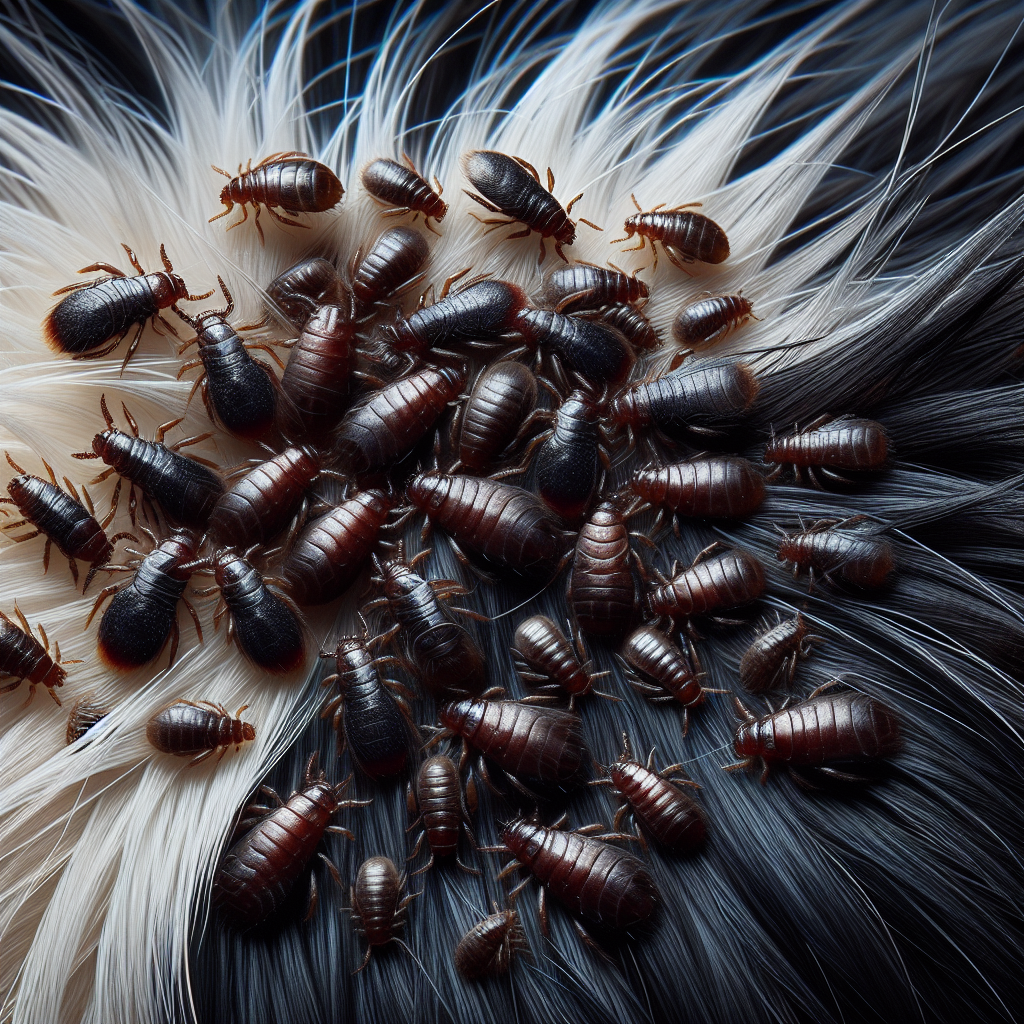
Effective Solutions for Dog Fleas: Keep Your Pet Happy

Dog fleas are a common concern for pet owners, often causing discomfort and health issues for our beloved furry friends. These tiny, resilient pests can quickly become a nuisance if not addressed promptly. Understanding how to effectively combat dog fleas is essential for maintaining your pet’s happiness and well-being. Let’s explore some practical solutions to tackle this pesky problem.

AI-generated image for: a cute young puppy playing in a warm home

Identifying and Understanding Dog Fleas

Before you can effectively eliminate dog fleas, it’s crucial to understand what you’re dealing with. These small, wingless insects are notorious for their ability to jump great distances, allowing them to easily transfer from one host to another. Fleas thrive in warm, humid environments, making them particularly prevalent during the summer months. Recognizing the signs of a flea infestation in your dog is the first step in addressing the problem. Common indicators include excessive scratching, biting, or licking of the skin, as well as hair loss and the presence of flea dirt, which resembles tiny black specks on your dog’s fur.

Once you’ve identified a flea problem, it’s important to take swift action. There are various treatments available, ranging from topical solutions and oral medications to flea collars and shampoos. Topical treatments, applied directly to your dog’s skin, are among the most popular methods. These medications work by killing fleas upon contact, providing fast relief for your pet. Oral medications, on the other hand, are ingested by your dog and work systemically to kill fleas from the inside out. Both methods are effective, but it’s essential to consult with your veterinarian to determine the best option for your pet’s specific needs.

Preventing Future Flea Infestations

After treating an existing flea problem, prevention becomes key in ensuring your dog remains flea-free. Maintaining a clean living environment is crucial in preventing future infestations. Regularly vacuuming carpets, washing bedding, and cleaning upholstery can help eliminate flea eggs and larvae from your home. Additionally, keeping your yard tidy by mowing the lawn and removing debris can reduce the likelihood of fleas taking up residence in outdoor areas frequented by your pet.

Incorporating flea prevention products into your dog’s routine is another effective strategy. Flea collars, which release insect-repelling chemicals, can provide continuous protection against these pests. Monthly topical treatments or oral medications can also serve as preventive measures, ensuring that fleas are unable to gain a foothold on your pet. It’s important to maintain a consistent schedule with these treatments to maximize their effectiveness.

Regular grooming is another valuable tool in the fight against dog fleas. Brushing your dog’s coat not only helps detect fleas early but also removes loose fur and skin debris where fleas might hide. Bathing your dog with a flea-specific shampoo can further deter these pests. Remember to pay attention to your dog’s environment and habits; monitoring their interactions with other animals and potential flea habitats can help in maintaining a flea-free lifestyle.

In conclusion, tackling dog fleas requires a combination of proper identification, effective treatment, and consistent prevention efforts. By staying vigilant and proactive, you can ensure your furry companion remains comfortable and content. Investing time and resources into combating dog fleas will ultimately contribute to your pet’s long-term health and happiness.

Our solution eradicates fleas on contact without harmful chemicals, ensuring a safe environment for your pets and family. Easy to use and highly effective, SayByeBugs helps you maintain a flea-free home. Learn more and order today at SayByeBugs.com

Dog Fleas: Effective Solutions for a Happy Pet

Dog fleas are more than just a nuisance; they can seriously affect your pet’s health and happiness. These tiny parasites can cause a range of issues, from mild irritation to severe allergic reactions. Understanding how to effectively manage and eliminate dog fleas is crucial for any responsible pet owner. In this article, we’ll explore some of the most effective solutions to keep your furry friend flea-free and content.

AI-generated image for: dog fleas

Identifying and Understanding Dog Fleas

Before tackling the issue of dog fleas, it’s essential to understand what you’re dealing with. Fleas are small, wingless insects that feed on the blood of mammals. They have a hard outer shell, making them difficult to crush, and they can jump significant distances, making them adept at moving from host to host. A flea infestation often starts outdoors, with these pests hitching a ride on your dog during walks or playtime. Once inside your home, fleas can multiply rapidly, laying eggs in carpets, bedding, and upholstery.

Recognizing the signs of a flea infestation is the first step in managing the problem. If your dog is scratching excessively, losing hair, or has red, irritated skin, these could all be indications of fleas. You might also notice small, dark flecks of flea dirt in your dog’s fur, which is essentially flea feces. A simple way to check for fleas is to use a fine-toothed comb and examine what comes off your dog’s coat. Catching an infestation early can prevent it from spreading throughout your home and causing further discomfort for your pet.

Understanding the life cycle of fleas can also help in their eradication. Fleas go through four stages: egg, larva, pupa, and adult. Adult fleas lay eggs on their host, which then fall off into the environment. These eggs hatch into larvae, which feed on organic matter in their surroundings. Eventually, they spin cocoons and become pupae, emerging as adults ready to find a host. Breaking this cycle is key to controlling a flea problem. Many treatments target different stages of this cycle, so a comprehensive approach is often necessary.

Effective Solutions for Managing Dog Fleas

Once you’ve identified the presence of dog fleas, the next step is to implement effective solutions to eliminate them. There are several methods available, from topical treatments and oral medications to natural remedies. Each has its benefits and considerations, and often a combination of approaches works best.

Topical treatments are a popular choice for many dog owners. These are applied directly to your dog’s skin, usually between the shoulder blades, and work by killing fleas on contact. They often provide protection for up to a month and can be an effective way to quickly reduce flea populations. It’s important to follow the instructions carefully and ensure the product is suitable for your dog’s size and age. Some products are not suitable for puppies or dogs with certain health conditions, so consulting with your veterinarian is advisable.

Oral medications are another effective option. These tablets or chews are ingested by your dog and work by killing fleas from the inside out. They can be highly effective, sometimes killing fleas within hours. Oral medications often require a prescription from your veterinarian, and it’s essential to use them according to the recommended dosage to avoid any adverse effects.

For those seeking natural remedies, there are several options to consider. Regular grooming with a flea comb can help physically remove fleas and flea dirt from your dog’s coat. Washing your dog’s bedding and vacuuming your home frequently can also reduce the number of fleas in the environment. Some pet owners use natural sprays or shampoos made with essential oils like lavender or peppermint, though it’s important to ensure these are safe and non-irritating for your dog.

In addition to treating your dog, addressing the environment is crucial. Fleas can live in carpets, furniture, and cracks in the floor, so thorough cleaning is essential. Vacuuming regularly and disposing of the vacuum bag immediately can help remove eggs and larvae. Washing your dog’s bedding and toys in hot water can also help break the flea life cycle.

Through a combination of these methods, you can effectively manage and prevent dog fleas, ensuring your pet remains healthy and happy. Regular monitoring and maintenance are key to keeping fleas at bay, preventing infestations from taking hold in the first place.

Dog fleas can be a persistent problem, but with the right knowledge and tools, they can be managed effectively. By understanding the nature of fleas and employing a comprehensive treatment strategy, you can protect your pet and home from these unwelcome pests. Keeping your dog flea-free will not only enhance their comfort but also contribute to their overall health and well-being. Remember, a happy pet is a happy home, and taking proactive steps against fleas is a vital part of responsible pet ownership.

Our solution eradicates fleas on contact without harmful chemicals, ensuring a safe environment for your pets and family. Easy to use and highly effective, SayByeBugs helps you maintain a flea-free home. Learn more and order today at SayByeBugs.com

Eliminate Dog Fleas: Effective Tips for a Happy Pup

Introduction to Dog Fleas

Dog fleas are small, wingless parasites that are notorious for causing discomfort and various health issues in dogs. Scientifically known as Ctenocephalides canis, these fleas are adept at jumping from host to host, making them one of the most common parasites found on dogs worldwide. These microscopic creatures thrive by feeding on the blood of their hosts, which, in turn, facilitates their reproduction and life cycle. Fleas are not only a nuisance but can also lead to significant health problems if not addressed promptly.

Common hosts for dog fleas extend beyond just canines. While dogs are the primary victims, these fleas can also infest other animals such as cats, rabbits, and even occasionally humans. Their ability to jump great distances relative to their size allows them to spread quickly and infest various hosts in a household or community, making flea control a critical aspect of pet care.

Identifying Dog Fleas

Identifying dog fleas is the first step in managing an infestation. The physical appearance of fleas is quite distinctive, although they are small and may be difficult to spot at first glance. Fleas are typically about 1/16 to 1/8 inch long, with a flat, reddish-brown body that allows them to move swiftly through a dog’s fur. Their hind legs are powerful, enabling them to leap from host to host with ease. This agility, combined with their small size, makes them elusive and challenging to detect.

Signs that your dog has fleas might manifest in various ways. Dogs infested with fleas often exhibit excessive scratching, biting, or licking of their skin. This behavior is a direct response to flea bites, which are irritating and can cause significant discomfort. You might also notice tiny black or brown specks on your dog’s skin or bedding—these are flea feces, also known as “flea dirt.” To confirm the presence of fleas, you can use a fine-toothed flea comb to inspect your dog’s fur, paying close attention to areas like the neck, tail, and groin where fleas tend to congregate.

Symptoms of Fleas on Dogs

The symptoms of fleas on dogs can range from mild irritation to severe health issues, depending on the severity of the infestation and the dog’s individual reaction to flea bites. Scratching and biting are the most immediate and visible symptoms. A dog with fleas will often scratch itself incessantly, attempting to alleviate the itching caused by flea bites. This constant scratching can lead to the next symptom: hair loss and skin infections.

As dogs scratch and bite at their skin, they can cause open sores and wounds, which become susceptible to bacterial infections. Over time, this can result in patches of hair loss and inflamed skin, creating further discomfort and potential for more serious skin conditions. In severe cases, the dog’s skin may develop hot spots or dermatitis, requiring medical attention to treat both the fleas and the resulting skin issues.

Life Cycle of Dog Fleas

Understanding the life cycle of dog fleas is crucial for effective control and prevention. Fleas undergo a complete metamorphosis, consisting of four stages: egg, larva, pupa, and adult. The duration of each stage can vary depending on environmental conditions such as temperature and humidity, but the entire cycle can be completed in as little as two to three weeks under optimal conditions.

The life cycle begins with the adult flea, which, after finding a host, feeds on its blood and then reproduces. A single female flea can lay up to 50 eggs per day, which fall off the host and into the surrounding environment, including carpets, bedding, and furniture. These eggs hatch into larvae within a few days, feeding on organic debris and flea feces until they spin cocoons and enter the pupal stage. The pupae can remain dormant for weeks or even months, waiting for the right conditions to emerge as adults and seek out a host. This resilience makes flea control challenging, as simply treating the dog will not eliminate the problem unless the environment is also addressed.

How Fleas Affect Dogs

Fleas can have a profound impact on a dog’s health, beyond the immediate discomfort of bites. One of the most common health issues caused by fleas is Flea Allergy Dermatitis (FAD), an allergic reaction to flea saliva. Dogs with FAD experience intense itching, inflamed skin, and severe hair loss, even from a single flea bite. This condition can lead to obsessive scratching and biting, exacerbating skin damage and increasing the risk of secondary infections.

Moreover, fleas can transmit other parasites and diseases to dogs. One such parasite is the tapeworm, which dogs can acquire by ingesting infected fleas during grooming. Tapeworms can cause weight loss, nutritional deficiencies, and anal irritation, necessitating additional treatment. Additionally, heavy flea infestations can lead to anemia, particularly in puppies and small dogs, as the fleas consume significant amounts of blood.

Allergic reactions to flea bites can also affect a dog’s behavior and overall well-being. The constant itchiness and discomfort can lead to restlessness, irritability, and even behavioral changes as the dog struggles to cope with the infestation. In severe cases, medical intervention may be required to manage allergic reactions and restore the dog’s comfort and health.

In conclusion, understanding dog fleas, their life cycle, and the symptoms they cause are essential for effective prevention and treatment. Regular grooming, environmental control, and the use of veterinary-approved flea preventatives can help protect your dog from these persistent parasites and maintain their health and happiness.

Fleas are tiny, wingless insects that pose a significant nuisance to both dogs and their human companions. These external parasites feed on the blood of their hosts and can cause discomfort, allergic reactions, and even transmit diseases. Understanding how to manage and prevent flea infestations is essential for maintaining the health and well-being of both dogs and their owners.

Fleas and Humans

Can Humans Get Fleas from Dogs?

While fleas primarily target animals, they can also bite humans. The most common flea found on dogs is the Ctenocephalides felis, or the cat flea, which can also bite humans, especially if their preferred host is unavailable. Although fleas do not live on humans, they can jump onto people from infested pets or environments. This can occur when humans come into close contact with infested dogs or spend time in areas where fleas are present, such as homes or yards. Flea bites on humans typically result in small, itchy red bumps that often appear in clusters around the ankles or legs.

Flea Bites on Humans

Flea bites on humans can be irritating and uncomfortable. They often cause itching and may lead to allergic reactions in some individuals. It’s crucial to avoid scratching the bites as this can result in infections. Over-the-counter anti-itch creams and antihistamines can help alleviate the symptoms. Maintaining proper hygiene and using insect-repelling products can also aid in preventing flea bites. Ensuring that dogs are free of fleas is one of the most effective strategies to protect humans from flea bites.

Preventing Fleas on Dogs

Limiting Outdoor Exposure

One effective method to prevent fleas on dogs is by limiting their exposure to outdoor environments where fleas are prevalent. Fleas thrive in warm, humid environments and are often found in grassy, wooded, or sandy areas. By keeping dogs away from these environments, especially during peak flea season, the risk of infestation can be reduced. Pet owners should also be mindful of walking their dogs in areas known to have flea populations and consider avoiding such places altogether.

Avoiding Contact with Wild Animals

Wild animals such as raccoons, squirrels, and feral cats often carry fleas that can easily transfer to dogs. To minimize this risk, it’s important to prevent dogs from interacting with wild animals. This can be achieved by supervising outdoor activities and maintaining secure fences around yards to keep wildlife at bay. Additionally, discouraging wildlife from entering the yard by removing food sources and securing trash can further reduce the likelihood of flea transmission.

Regular Pet Care for Flea Prevention

Bathing and Brushing Pets

Regular grooming is a crucial aspect of flea prevention. Bathing dogs with flea-repelling shampoos can help remove fleas and their eggs from the coat, while brushing helps in detecting and removing any fleas that may have latched on. Brushing also distributes natural oils in the dog’s coat, which can act as a deterrent to fleas. It’s important to choose grooming products that are safe and appropriate for the dog’s skin type to prevent irritation.

Routine Flea Checks

Conducting routine flea checks is vital in catching infestations early. Pet owners should regularly inspect their dogs for signs of fleas, such as excessive scratching, biting, or visible flea dirt (small black specks of flea feces). A flea comb can be an effective tool for detecting fleas, especially in areas where they are likely to hide, such as around the neck, belly, and tail. Early detection allows for prompt treatment, preventing further infestation and discomfort for the dog.

Treating Fleas on Dogs

Medication Options for Flea Removal

There are various medication options available to treat fleas on dogs. Topical treatments, oral medications, and flea collars are among the most common methods used to eliminate fleas. Topical treatments are applied directly to the dog’s skin, usually on the back of the neck, and are effective in killing fleas on contact. Oral medications work systemically by entering the dog’s bloodstream and killing fleas when they bite. Flea collars release active ingredients that repel and kill fleas over a period of time. It’s essential to consult a veterinarian to determine the most suitable treatment based on the dog’s health, age, and lifestyle.

Bathing Techniques for Flea Control

Bathing dogs is an effective way to control and remove fleas. Using a flea shampoo specifically designed for dogs can help eliminate adult fleas and soothe the skin. It’s important to follow the instructions on the product label carefully, ensuring that the shampoo is applied thoroughly and left on for the recommended time to maximize effectiveness. After bathing, using a flea comb to remove any remaining fleas or eggs can further aid in controlling the infestation. Regular baths, combined with other preventive measures, can significantly reduce the risk of fleas on dogs.

Vacuuming and Cleaning

Importance of Home Cleanliness in Flea Control

Maintaining a clean home environment is crucial in controlling and preventing flea infestations. Fleas and their eggs can reside in carpets, bedding, and upholstery, making it essential to keep these areas clean. Regular washing of pet bedding, vacuuming, and cleaning floors can help eliminate fleas and prevent them from multiplying. Using hot water and high heat settings in washing machines and dryers can effectively kill fleas and their eggs.

Effective Vacuuming Strategies

Vacuuming is one of the most effective strategies for removing fleas and their eggs from the home. It’s important to vacuum carpets, rugs, and furniture thoroughly and regularly. Special attention should be paid to areas where pets spend the most time, such as their bedding, favorite resting spots, and under furniture. After vacuuming, disposing of the vacuum bag or emptying the canister immediately is crucial to prevent fleas from escaping back into the home. Using a vacuum with a high-efficiency particulate air (HEPA) filter can enhance the effectiveness of flea removal.

By integrating these preventive and treatment measures, pet owners can effectively manage flea infestations, ensuring a comfortable and healthy environment for both dogs and their human companions. Regular vigilance and proactive care are key to keeping fleas at bay and protecting the well-being of all household members.

Dog fleas are a common concern for pet owners, and effective flea control is essential to ensure the health and comfort of our canine companions. Various products and strategies are available to manage and prevent flea infestations, each with its own set of advantages and considerations.

Products for Flea Control

When tackling dog fleas, selecting the right products is crucial. Among the most popular options are flea pills and chews. These oral treatments work systemically, meaning they are absorbed into the dog’s bloodstream. When fleas bite the treated dog, they ingest the active ingredient, which kills them. Flea pills and chews are convenient for pet owners, as they eliminate the need for topical application and are often flavored to make administration easier. Popular products in this category include brands like NexGard, Bravecto, and Comfortis, each with varying durations of effectiveness, usually ranging from one to three months.

Flea drops and collars offer alternative methods of flea control. Flea drops, or spot-on treatments, are applied directly to the dog’s skin, usually between the shoulder blades. They spread through the skin’s oils, offering protection for several weeks. Brands such as Frontline, Advantage, and K9 Advantix are well-known in this space. Flea collars, on the other hand, release active ingredients that repel or kill fleas. These collars can offer protection for several months and are a popular choice for pet owners looking for low-maintenance solutions. Seresto is a leading brand in flea collars, known for its long-lasting efficacy.

Environmental Flea Control

Controlling the flea population in a dog’s environment is just as important as treating the dog itself. Flea sprays for the home and yard can be effective in reducing the flea population in areas where the dog frequents. These sprays often contain insect growth regulators (IGRs) that prevent fleas from maturing and reproducing, thereby breaking the flea life cycle. Regular application of these sprays can significantly reduce the likelihood of re-infestation.

In addition to chemical solutions, natural flea control methods are gaining popularity among pet owners. Natural solutions often incorporate essential oils like cedarwood, peppermint, or eucalyptus, which are believed to repel fleas. While these solutions can be effective, it is essential for pet owners to ensure that the ingredients used are safe for dogs, as some essential oils can be toxic to pets. Diatomaceous earth is another natural option, working by dehydrating and killing fleas that come into contact with it. However, it is crucial to use food-grade diatomaceous earth and apply it carefully to avoid respiratory irritation for both pets and humans.

Flea Control for Puppies

Puppies require special considerations when it comes to flea control. Their delicate immune systems and developing bodies make them more susceptible to the adverse effects of certain flea treatments. Therefore, it is vital to choose products specifically designed for young dogs. Many flea control products have age and weight restrictions, so pet owners should consult their veterinarian to determine the safest options for their puppies.

Safe products for young dogs often include milder formulations or products that are approved for use on puppies as young as six to eight weeks old. Brands like Capstar offer products that are safe for puppies, providing quick relief from fleas. Additionally, some topical treatments are formulated for puppies, but it’s crucial to follow the manufacturer’s instructions and dosage recommendations carefully. Regular grooming with a flea comb can also help manage flea infestations in puppies, allowing pet owners to physically remove fleas and reduce their numbers.

Flea Control Myths and Facts

A myriad of myths and misconceptions surrounds flea control, and pet owners must distinguish between misinformation and evidence-based practices. One common misconception is that fleas are only a problem during the warmer months. While flea activity may increase in warmer weather, fleas can survive indoors year-round, making consistent flea control necessary.

Another myth is that indoor dogs do not need flea prevention. Even dogs that primarily stay indoors can be exposed to fleas through other pets, visiting animals, or even hitchhiking on human clothing. Therefore, maintaining a regular flea prevention regimen is essential regardless of a dog’s lifestyle.

Evidence-based practices emphasize the importance of combining both environmental and direct flea control measures. Relying solely on one method may not be sufficient to manage a flea infestation effectively. Regular vacuuming, washing pet bedding, and treating outdoor spaces are vital components of a comprehensive flea control strategy.

Moreover, it’s important to follow the instructions and dosages provided by manufacturers for any flea control product. Overdosing can lead to toxicity and adverse reactions, while underdosing may result in ineffective control and potential resistance development in fleas.

By understanding these myths and focusing on evidence-based practices, dog owners can make informed decisions to protect their pets from the discomfort and health risks associated with fleas. Through a combination of effective products and environmental management, maintaining a flea-free environment is achievable and ensures the well-being of our beloved canine companions.

Quick Takeaways

Dog fleas are a common concern for pet owners, and understanding their behavior, life cycle, and impact on your pet is essential for effective management. Recognizing how to identify fleas on dogs is crucial; look for small, dark brown insects or flea dirt (which resembles black pepper) on your dog’s skin, particularly around the tail and neck. Symptoms of fleas in dogs include excessive scratching, biting at the skin, red patches, and possible hair loss due to persistent itchiness.

The best flea treatment for dogs often involves a combination of approaches. Dog flea medication options such as oral tablets, topical treatments, or collars can be highly effective. However, natural flea remedies for dogs, such as diatomaceous earth or essential oil sprays, can also play a supportive role. For those with young pets, flea control for puppies should be gentle and vet-recommended.

Understanding the dog flea life cycle, which includes stages from egg to adult, helps in tackling fleas effectively. Humans can get fleas from dogs, though they do not live on human skin; still, they can cause itchy bites. Therefore, flea prevention for dogs is not only vital for the pet’s comfort but also to maintain a flea-free environment at home.

For persistent infestations, knowing how to remove fleas from home is essential. This often involves thorough cleaning, vacuuming, and possibly professional pest control services. Homemade flea spray for dogs, made from ingredients like lemon juice or vinegar, can serve as a natural deterrent.

Ultimately, maintaining a regular flea and tick prevention routine for dogs is key to keeping these parasites at bay. This includes using effective dog flea shampoo and ensuring all pets in the home are treated consistently.

FAQs

1. How do I identify fleas on my dog?

Identifying fleas on dogs involves a close examination of your pet’s skin and fur. Use a fine-toothed flea comb to part the fur, especially around the base of the tail and neck where fleas are often found. Look for small, dark brown insects and flea dirt, which is flea excrement that looks like tiny black specks. To confirm flea dirt, place any specks on a wet paper towel; it will turn reddish-brown if it’s flea dirt, as it contains digested blood.

2. What are the symptoms of fleas in dogs?

The primary symptoms of fleas in dogs include excessive scratching and biting at their skin, which can lead to red, inflamed patches or sores. Flea allergy dermatitis, an allergic reaction to flea saliva, can cause intense itching and discomfort. Other signs include hair loss, especially around the tail and hindquarters, and the presence of flea dirt or actual fleas upon inspection.

3. What is the best flea treatment for dogs?

The best flea treatment for dogs varies depending on the severity of the infestation and the dog’s health and age. Common dog flea medication options include oral tablets like NexGard or Comfortis, which kill fleas quickly and are easy to administer. Topical treatments such as Frontline or Advantage are also popular. For those preferring natural flea remedies for dogs, options like a homemade flea spray with essential oils can be effective when used consistently.

4. Can humans get fleas from dogs?

While humans can get fleas from dogs, the fleas do not typically live on human skin. However, they can bite humans, causing itchy welts. It is crucial to implement effective flea prevention for dogs to prevent these parasites from infesting your home and affecting humans.

5. What are some effective flea prevention methods for dogs?

Flea prevention for dogs involves a combination of regular treatments and environmental control. Regular use of flea medications, whether oral, topical, or collars, is essential. Additionally, maintaining a clean home environment by vacuuming regularly, washing dog bedding, and using flea sprays or powders can help. Natural flea remedies, such as cedar chips or diatomaceous earth, can also offer preventive benefits.

Conclusion

In conclusion, managing dog fleas requires a proactive and comprehensive approach. With a clear understanding of how to identify fleas on dogs and recognizing symptoms of fleas in dogs, pet owners can act swiftly to alleviate their pets’ discomfort. The best flea treatment for dogs often combines both conventional and natural methods, ensuring that the treatment is effective while being gentle on the pet. It’s important to remember that while humans can get fleas from dogs, maintaining a rigorous flea prevention routine can mitigate this risk significantly.

Regularly using dog flea medication options, coupled with preventative measures like dog flea shampoo and homemade flea spray for dogs, ensures a multi-faceted defense against these persistent pests. Moreover, understanding the dog flea life cycle aids in breaking the reproduction cycle, thus reducing the likelihood of reinfestation.

Ultimately, consistent vigilance and maintenance of a clean environment are key to keeping both your dog and home free from fleas. Through careful management and preventive strategies, not only can you enhance your dog’s quality of life, but you can also ensure a comfortable, itch-free environment for everyone in the household.

References:
References:

1. PetMD. (2023, May 8). Removing fleas from your dog is a multi-step process that requires medication, bathing, and lots of vacuuming. Retrieved from https://www.petmd.com/dog/general-health/how-to-handle-fleas-on-dogs

2. Cornell University, Riney Canine Health Center. Fleas are the most common external parasite in dogs, and they cause intense itching and often hair loss or skin infections. Retrieved from https://www.vet.cornell.edu/departments-centers-and-institutes/riney-canine-health-center/canine-health-information/fleas

3. Wikipedia. Dog flea (Ctenocephalides canis) is a species of flea that lives as an ectoparasite on a wide variety of mammals, particularly the domestic dog. Retrieved from https://en.wikipedia.org/wiki/Dog_flea

4. CDC. (2024, Jun 4). Limit the amount of time your pet spends outdoors. Retrieved from https://www.cdc.gov/fleas/prevention/index.html

Our solution eradicates fleas on contact without harmful chemicals, ensuring a safe environment for your pets and family. Easy to use and highly effective, SayByeBugs helps you maintain a flea-free home. Learn more and order today at SayByeBugs.com

Effective Solutions to Eliminate Dog Fleas Today

Imagine lounging on a sunny afternoon with your furry friend, only to notice a sudden frenzy of scratching and biting. Your serene moment is quickly overshadowed by the tiny, yet mighty, pest known as the dog flea. These minuscule insects can turn your pet’s life—and yours—into an itchy nightmare if not properly managed. In this article, we’ll delve into the world of dog fleas, exploring their lifecycle, the risks they pose to both pets and humans, and the most effective methods for prevention and treatment. By understanding these persistent parasites, you’ll be better equipped to protect your home and your beloved canine companion from their unwelcome presence.

Understanding Dog Fleas: An In-Depth Look

Dog fleas, scientifically known as *Ctenocephalides canis*, are small, wingless insects that thrive as external parasites on dogs, but they can also infest other animals and humans. These pests are notorious for their ability to cause discomfort and health issues in pets, making it crucial for pet owners to understand their behavior, life cycle, and the methods available for controlling them.

Life Cycle of Dog Fleas

Understanding the life cycle of dog fleas is essential for effective management and prevention. The life cycle comprises four distinct stages: egg, larva, pupa, and adult. Adult dog fleas feed on the blood of their host, and after a blood meal, female fleas lay eggs on the host animal. These eggs, often falling off into the environment, hatch into larvae within two to fourteen days, depending on environmental conditions such as temperature and humidity.

The larvae, which avoid light and burrow into carpets or soil, feed on organic matter, including the feces of adult fleas, which contain undigested blood. This stage lasts from one to two weeks, after which the larvae spin cocoons and enter the pupal stage. The pupae can remain dormant for weeks or even months, emerging as adult fleas when conditions are ideal—often triggered by vibrations, carbon dioxide, or heat indicating the presence of a potential host.

Impact of Dog Fleas on Health

Dog fleas are not merely a nuisance; they can have significant health implications for pets. Flea bites can cause intense itching and discomfort, leading to excessive scratching and potential skin infections. Moreover, some dogs develop an allergic reaction to flea saliva, known as flea allergy dermatitis, which results in severe itching, hair loss, and inflammation.

Beyond skin issues, dog fleas are vectors for various diseases and parasites. They can transmit tapeworms (*Dipylidium caninum*) if a dog inadvertently ingests an infected flea during grooming. Additionally, fleas can carry the bacteria *Bartonella henselae*, responsible for cat scratch fever, which can be transmitted to humans.

Detection and Prevention

Early detection and prevention are key to managing dog fleas effectively. Regular inspection of your dog’s coat and skin can help identify flea infestations before they become severe. Look for adult fleas, flea dirt (flea feces that appear as tiny black specks), and signs of irritation or scratching.

Prevention strategies include maintaining a clean environment, using flea combs, and employing veterinary-recommended flea control products like topical treatments, oral medications, and flea collars. It’s essential to treat all pets in the household and the environment simultaneously to break the flea life cycle and prevent reinfestation.

By understanding the life cycle, health impacts, and prevention methods associated with dog fleas, pet owners can better protect their animals and households from these pervasive parasites.

Understanding the Life Cycle of Dog Fleas

To effectively combat dog fleas, it is crucial to understand their life cycle. The life cycle of a flea includes four distinct stages: egg, larva, pupa, and adult. Each stage presents unique challenges for pet owners aiming to eliminate these persistent pests.

Egg Stage

The life cycle begins when adult fleas lay eggs on their host, typically a dog. However, these eggs can easily fall off into the environment, such as carpets, bedding, or the yard, where they hatch. A single female flea can lay up to 50 eggs per day, which underscores the importance of addressing flea infestations promptly. For example, if a dog is infested with just a few fleas, the number can quickly multiply if left untreated.

Larva Stage

Within a few days, flea eggs hatch into larvae. These larvae are blind and will avoid light, burrowing deep into carpet fibers or soil. During this stage, they feed on organic matter, including the feces of adult fleas, which contain undigested blood. This stage can last from 4 to 18 days, depending on environmental conditions like temperature and humidity. For instance, in warm and humid environments, larvae develop more quickly, which can accelerate the life cycle of dog fleas dramatically.

Pupa Stage

After the larva stage, fleas spin cocoons and enter the pupa stage, which is the most resilient phase of their life cycle. The pupae can remain dormant for weeks or even months until they sense a potential host nearby, triggered by factors such as vibrations or increased carbon dioxide. This stage’s resilience makes it particularly challenging to eradicate dog fleas entirely, as pupae can survive vacuuming and many chemical treatments.

Adult Stage

Finally, adult fleas emerge from their cocoons when conditions are favorable. They immediately seek out a host to begin feeding on blood, which is necessary for reproduction. Adult fleas can survive for several weeks to months on a host, during which time they continue the cycle by laying eggs. If a dog encounters fleas while outside, adult fleas can quickly infest a pet and, subsequently, the home environment.

Understanding the life cycle of dog fleas is essential for developing effective prevention and treatment strategies. For instance, using a combination of regular grooming, environmental cleaning, and veterinarian-approved flea treatments can disrupt the life cycle at multiple stages, reducing flea populations. By targeting not just adult fleas but also the eggs, larvae, and pupae, pet owners can significantly decrease the likelihood of re-infestation and maintain a flea-free environment for their dogs.

Preventing Dog Fleas

Preventing dog fleas is essential for maintaining your pet’s health and comfort while also ensuring a flea-free home environment. Fleas are not only a nuisance but can also lead to serious health issues for your dog, such as allergic reactions, skin infections, and in severe cases, anemia. Here are some actionable insights and strategies to effectively prevent fleas from infesting your dog and home.

1. Regular Grooming and Inspection

Regular grooming is your first line of defense against fleas. Brush your dog frequently to remove loose hair and debris, which can also help you spot fleas or flea dirt (flea feces, which looks like tiny black specks). During grooming sessions, pay close attention to the areas where fleas are most likely to hide, such as behind the ears, in the armpits, and near the tail. Bathing your dog with flea-repellent shampoos can also reduce the likelihood of flea infestations, but be sure to choose products specifically designed for dogs to avoid skin irritation.

2. Use of Preventive Products

There are various preventive products available that can help protect your dog from fleas. These include topical treatments, oral medications, flea collars, and sprays. Topical treatments are applied directly to the dog’s skin and provide protection for up to a month. Oral medications are given as a chewable tablet and can be effective for both fleas and ticks. Flea collars release chemicals that repel fleas and can last for several months. It’s crucial to consult your veterinarian to choose the most suitable and effective product for your dog based on their health, age, and lifestyle.

3. Maintain a Clean Environment

Keeping your home clean is vital in preventing a flea infestation. Wash your dog’s bedding regularly in hot water and vacuum your home frequently, especially in areas where your dog spends a lot of time. Pay particular attention to carpets, rugs, and upholstered furniture, as these can harbor flea eggs and larvae. Consider using a household flea spray or powder on these surfaces to kill any fleas that may have made their way into your home. Outdoor areas should also be kept clean; regularly mow the lawn, trim bushes, and remove any debris where fleas might thrive.

4. Regular Veterinary Check-ups

Routine veterinary check-ups are crucial for early detection and prevention of fleas and other parasites. During these visits, your vet can perform checks for fleas, recommend preventive measures, and advise on treatment options if your dog happens to get fleas. Regular check-ups also ensure that any flea-related health issues are addressed promptly and professionally.

5. Monitor Outdoor Exposure

Fleas are often picked up in the great outdoors, so monitoring your dog’s outdoor activities can help prevent flea infestations. Avoid areas known for high flea populations, such as tall grass or wooded areas, especially during peak flea seasons in the spring and summer. After any outdoor activity, check your dog thoroughly for fleas and ticks before they come inside.

By integrating these strategies into your regular pet care routine, you can significantly reduce the risk of flea infestations. Prevention is always easier and more effective than dealing with an established infestation, ensuring your dog remains healthy and your home stays flea-free.

In conclusion, understanding and managing dog fleas is crucial for maintaining the health and comfort of our canine companions. These persistent pests not only cause itching and discomfort but can also lead to more severe health issues if left untreated. Key points to remember include the importance of regular grooming, the use of preventative treatments, and maintaining a clean environment to reduce the risk of infestation. Pet owners should be vigilant in checking their dogs for signs of fleas, especially during peak seasons, and consult a veterinarian for the best flea control options tailored to their pet’s needs. As a next step, consider investing in high-quality flea prevention products and schedule routine veterinary check-ups to ensure your dog remains flea-free. By taking proactive measures, you can protect your pet from the nuisance and potential health risks posed by dog fleas.

Our solution eradicates fleas on contact without harmful chemicals, ensuring a safe environment for your pets and family. Easy to use and highly effective, SayByeBugs helps you maintain a flea-free home. Learn more and order today at SayByeBugs.com

Dog Fleas: Effective Tips to Protect Your Pet Today

Understanding Dog Fleas

Dog fleas are more than just a nuisance; they are a common parasite that can impact your pet’s health and well-being. These tiny, wingless insects feed on your dog’s blood, causing discomfort and potentially leading to more severe health problems if not managed properly. In this article, we will explore effective strategies to protect your furry friend from dog fleas and ensure they live a happy, itch-free life.

The Life Cycle of Dog Fleas

To effectively combat dog fleas, it’s crucial to understand their life cycle. Fleas go through four stages: egg, larva, pupa, and adult. The adult fleas that you see on your dog make up only about 5% of the flea population in your home, with the remaining stages hiding in your carpets, bedding, and other areas. This makes it essential to address both your pet and its environment when dealing with a flea infestation.

Egg Stage

Female fleas can lay up to 50 eggs per day, which fall off your pet and into their surroundings. These eggs are tiny, white, and almost impossible to see with the naked eye.

Larva Stage

Once hatched, flea larvae hide in dark, humid areas, feeding on organic debris and adult flea feces. This stage can last from several days to a few weeks, depending on environmental conditions.

Pupa Stage

The larvae spin cocoons and enter the pupa stage, where they develop into adult fleas. This stage can last for a few days to several months, making it difficult to eradicate fleas entirely.

Adult Stage

Adult fleas emerge from their cocoons when they sense a host nearby. They immediately seek out a warm-blooded animal, such as your dog, to feed on and reproduce.

Symptoms and Health Risks of Dog Fleas

Dog fleas can cause a range of symptoms, from mild itching to severe skin infections. It’s important to recognize the signs of a flea infestation early to prevent further complications.

Itching and Scratching:

The most common sign of fleas is excessive scratching. Flea bites irritate your dog’s skin, causing them to scratch persistently.

Flea Dirt:

Flea dirt, or flea feces, looks like small black specks on your dog’s skin. You can identify it by placing it on a damp paper towel; if it turns reddish-brown, it’s flea dirt.

Hair Loss and Skin Infections:

Constant scratching can lead to hair loss and skin infections, making your pet more susceptible to secondary infections.

Flea Allergy Dermatitis:

Some dogs are allergic to flea saliva, resulting in severe itching, redness, and skin inflammation.

Tapeworms:

Fleas can transmit tapeworms if your dog ingests an infected flea while grooming.

Preventing Dog Fleas

Preventing dog fleas is easier and more effective than treating an existing infestation. Here are some proactive steps to keep your pet flea-free:

Regular Grooming

Regular grooming helps you spot fleas early and remove them before they multiply. Use a flea comb, which is specifically designed to trap fleas and their eggs as you brush through your dog’s fur.

Flea Prevention Products

There are many flea prevention products on the market, including topical treatments, oral medications, and flea collars. Consult your veterinarian to determine the best option for your pet based on their health, age, and lifestyle.

Topical Treatments:

These are applied directly to your dog’s skin, usually on the back of the neck, where they can’t lick it off. They kill fleas on contact and provide protection for up to a month.

Oral Medications:

These work from the inside out, killing fleas when they bite your dog. Some oral medications also protect against other parasites like ticks and heartworms.

Flea Collars:

Modern flea collars are highly effective, releasing active ingredients that kill fleas and repel them for several months.

Maintaining a Clean Environment

Since the majority of the flea population resides in your home, maintaining a clean environment is crucial in preventing infestations.

Vacuum Regularly:

Vacuum carpets, rugs, and furniture thoroughly to remove flea eggs and larvae. Don’t forget to empty the vacuum bag or canister immediately to prevent re-infestation.

Wash Bedding:

Wash your dog’s bedding and any removable furniture covers in hot water weekly to kill fleas and their eggs.

Outdoor Maintenance:

Keep your yard tidy by mowing the lawn, trimming shrubs, and removing debris where fleas can hide.

Treating a Flea Infestation

If your dog already has fleas, it’s important to act quickly to eliminate them. Here’s a step-by-step guide to treating a flea infestation:

Step 1: Treat Your Pet

Begin by using a flea comb to remove as many fleas as possible. Follow up with a bath using a flea shampoo specifically designed for dogs. After drying your pet, apply a veterinarian-recommended flea treatment to kill any remaining fleas and prevent future infestations.

Step 2: Clean Your Home

As previously mentioned, vacuuming and washing are crucial steps. Consider using a home flea spray or powder on carpets and furniture to kill fleas in their various life stages.

Step 3: Treat the Yard

Use a yard spray or granules designed to kill fleas outdoors. Pay special attention to shaded areas, under decks, and places where your dog frequently lies.

Step 4: Monitor and Repeat

Continue to monitor your dog and home for fleas, repeating treatments as necessary. It may take several weeks to completely eradicate a flea infestation.

When to Seek Veterinary Assistance

If your dog continues to suffer from fleas despite your best efforts, it’s time to consult a veterinarian. Persistent flea problems can be a sign of an underlying health issue, or you may need a more aggressive treatment plan.

In conclusion, protecting your pet from dog fleas requires a comprehensive approach that includes regular grooming, preventive treatments, and maintaining a clean environment. By staying vigilant and proactive, you can keep your furry friend comfortable and flea-free.

Our solution eradicates fleas on contact without harmful chemicals, ensuring a safe environment for your pets and family. Easy to use and highly effective, SayByeBugs helps you maintain a flea-free home. Learn more and order today at SayByeBugs.com

Eliminate Dog Fleas: Effective Solutions for Happy Pets

Introduction

Dog fleas are tiny, wingless insects that are notorious for causing discomfort and health issues in dogs. These parasites feed on the blood of their hosts, leading to itching, scratching, and potential allergic reactions. Understanding dog fleas, their life cycle, and the best methods for prevention and treatment is crucial for responsible pet ownership.

The Flea Life Cycle

Understanding the life cycle of a flea is essential for effective control and prevention. Fleas go through four stages: egg, larva, pupa, and adult.

Egg: After feeding, female fleas lay eggs on the host. These eggs, which are about 0.5 mm in size, often fall off the dog’s fur into the environment, contributing to widespread infestation. Eggs typically hatch within 1-10 days.

Larva: After hatching, the flea larvae feed on organic matter in their environment, including adult flea feces. This stage lasts 5-15 days, during which the larvae avoid light, burrowing into carpets, bedding, and soil.

Pupa: The larval stage is followed by the pupal stage, where the flea is enclosed in a cocoon. This stage can last from a few days to several months, depending on environmental conditions.

Adult: Emerging from the pupal case, adult fleas immediately seek out a host to feed on. An adult flea’s lifespan is about 2-3 months, during which it can cause significant discomfort and health issues for its host.

Identifying Flea Infestation

Detecting a flea infestation early can prevent more severe problems. Here are some signs to watch for:

Excessive Scratching: Dogs with fleas often scratch or bite themselves more than usual due to irritation.

Flea Dirt: Small black or brown specks in your dog’s fur or on their bedding, known as flea dirt, are a telltale sign of fleas.

Red Bumps and Skin Irritation: Flea bites can cause red, inflamed bumps on your dog’s skin, often leading to further irritation and secondary infections.

Hair Loss: Persistent scratching can lead to patches of hair loss, particularly on the back and tail area.

Health Risks Associated with Fleas

Fleas pose several health risks for dogs, ranging from mild irritation to severe conditions:

Flea Allergy Dermatitis (FAD): Many dogs are allergic to flea saliva, leading to intense itching and skin infections.

Anemia: In severe infestations, especially in puppies, fleas can consume enough blood to cause anemia, characterized by lethargy and pale gums.

Tapeworms: Fleas can also transmit tapeworms if a dog ingests an infected flea during grooming.

Prevention Strategies

Preventing flea infestations requires a multi-faceted approach. Here are some effective strategies:

Regular Grooming: Regular brushing and bathing can help remove fleas and flea dirt from your dog’s coat.

Flea Preventatives: Use veterinarian-recommended flea preventatives, which come in various forms such as topical treatments, oral medications, and collars.

Environmental Control: Regularly clean and vacuum your home, particularly areas where your dog spends time. Wash your dog’s bedding frequently in hot water.

Treatment Options

If your dog does become infested, several treatment options are available:

Topical Treatments: These are applied directly to your dog’s skin and work by killing fleas on contact.

Oral Medications: These pills, administered monthly, kill fleas from within by making your dog’s bloodstream toxic to fleas.

Flea Shampoos and Dips: These can be effective in killing fleas on contact, though they do not provide long-term protection.

Natural Remedies: Some owners opt for natural alternatives like diatomaceous earth or essential oils, although these should be used with caution and under veterinary guidance.

The Role of the Veterinarian

A veterinarian is a crucial ally in managing and preventing flea infestations. They can provide:

Accurate Diagnosis: Vets can confirm a flea infestation and rule out other causes of itching or dermatitis.

Customized Treatment Plans: Based on your dog’s specific needs, your vet can recommend the most effective and safe treatments.

Ongoing Support and Education: Regular check-ups ensure your dog remains flea-free and that you are informed of the latest prevention and treatment options.

Myths and Misconceptions About Fleas

There are several myths surrounding dog fleas that can hinder effective treatment:

Myth: Fleas only live on pets.
Fact: Fleas spend much of their life cycle in the environment, not on the host.

Myth: Indoor dogs can’t get fleas.
Fact: Fleas can enter homes on clothing or other pets.

Myth: All flea treatments are the same.
Fact: Different products target different stages of the flea life cycle and vary in effectiveness.

Conclusion

Understanding dog fleas, from their life cycle to the health risks they pose, is essential in protecting your pet. By combining prevention, effective treatment, and professional veterinary guidance, you can keep your dog comfortable and flea-free.

Quick Takeaways

Flea Identification: Dog fleas are small, wingless insects with a reddish-brown hue. They are known for their incredible jumping ability, allowing them to move swiftly between hosts and environments.
Life Cycle and Reproduction: Fleas undergo four life stages: egg, larva, pupa, and adult. A single female flea can lay up to 50 eggs per day, making infestations escalate rapidly if not properly managed.
Health Risks: Besides causing itchiness and irritation, fleas can transmit diseases such as tapeworms and Bartonella, leading to more severe health complications for dogs.
Prevention and Control: Regular use of flea preventatives such as topical treatments, oral medications, and flea collars can significantly reduce the risk of infestations. Maintaining a clean environment is also crucial.
Natural Remedies: Some pet owners opt for natural flea control methods, including diatomaceous earth, essential oils, and vinegar sprays, though these should be used with caution and veterinary guidance.
Veterinary Guidance: Consulting a veterinarian for the best flea control program tailored to your dog’s needs is essential, especially if your dog shows signs of an allergic reaction or severe infestation.
Environmental Management: Flea control is not just about treating the dog but also involves cleaning the home and yard to eliminate flea eggs and larvae from carpets, bedding, and outdoor areas.

FAQs

1. How can I tell if my dog has fleas?

Look for signs such as excessive scratching, biting, or licking at the skin. You may also notice small red bumps on your dog’s skin, particularly around the belly, groin, or base of the tail. Flea dirt, which looks like tiny black specks, is another indicator; place it on a damp paper towel, and it will turn reddish-brown if fleas are present.

2. Are there any natural remedies for controlling dog fleas?

Yes, there are several natural remedies you can try. Diatomaceous earth can be sprinkled around your home and yard to kill fleas by dehydrating them. Essential oils like lavender, peppermint, and eucalyptus can be used in diluted form as a flea repellent. However, always consult your veterinarian before using essential oils, as some can be toxic to pets. Apple cider vinegar can be used in a diluted spray to deter fleas, but it won’t kill them.

3. How often should I treat my dog for fleas?

The frequency of flea treatments depends on the product you use. Some topical treatments and oral medications are applied monthly, while certain flea collars can last up to eight months. Continuous prevention is key, especially during peak flea seasons in spring and summer. Always follow the instructions on the product label or as directed by your veterinarian.

4. Can fleas infest my home, and how do I get rid of them?

Yes, fleas can infest your home, living in carpets, bedding, and upholstery. To eliminate them, vacuum regularly, wash your dog’s bedding in hot water, and use flea sprays or powders for carpets and furniture. Consider using a flea fogger for severe infestations, but follow safety precautions to protect your pets and family. Maintaining a clean environment is crucial in breaking the flea life cycle.

5. What are the health risks associated with dog fleas?

Fleas can cause more than just discomfort; they can lead to flea allergy dermatitis, a common skin condition in dogs. They are also vectors for tapeworms and can transmit Bartonella, the bacteria responsible for cat scratch fever, which can affect humans as well. In severe infestations, fleas can cause anemia due to blood loss, particularly in puppies or small dogs.

Conclusion

Managing dog fleas is an integral part of pet care that requires a proactive approach and consistent attention. By understanding the flea life cycle and the potential health risks they pose, pet owners can take effective measures to prevent infestations and protect their pets. A combination of regular veterinary check-ups, appropriate use of flea preventatives, and maintaining a clean environment can significantly reduce the likelihood of a flea problem. Natural remedies may provide supplementary benefits, but they should be used with caution and under professional guidance. Ultimately, a balanced and informed flea control strategy will ensure your dog remains healthy and comfortable, free from the discomfort and potential dangers that fleas bring. By staying vigilant and responsive to the needs of your pet, you can maintain a harmonious home environment for both your dog and your family.

References:
To provide the best authoritative sources on “dog fleas,” I would need the specific search snippets or list of sources you have. However, I can suggest some generally recognized authoritative sources on pet care and veterinary information that might typically appear in search results:

1. American Kennel Club (AKC) – They often provide comprehensive information on dog care, including flea prevention and treatment.
2. American Veterinary Medical Association (AVMA) – A trusted resource for veterinary guidance and health information.
3. PetMD – Offers a wide range of articles written or reviewed by veterinarians on pet health topics, including flea management.
4. ASPCA (American Society for the Prevention of Cruelty to Animals) – Provides reliable information on animal care and welfare.
5. Veterinary Partner – A resource by practicing veterinarians offering detailed insights on pet health issues.

If you provide the specific snippets or links, I could tailor the references accordingly.

Our solution eradicates fleas on contact without harmful chemicals, ensuring a safe environment for your pets and family. Easy to use and highly effective, SayByeBugs helps you maintain a flea-free home. Learn more and order today at SayByeBugs.com

Ultimate Guide to Eliminating Dog Fleas Fast

Introduction

Dog fleas are more than just pesky insects; they are a significant concern for pet owners and their canine companions. These tiny parasites can cause a multitude of problems, ranging from minor itching to severe skin conditions and even the transmission of diseases. Understanding dog fleas and the implications of infestations is crucial for maintaining the health and well-being of dogs.

Overview of Dog Fleas

Fleas are small, wingless insects known for their powerful jumping abilities. They are external parasites that feed on the blood of their hosts, which, in this context, are dogs. These insects have been a nuisance to animals and humans for centuries and are among the most common external parasites affecting pets.

Importance of Understanding Flea Infestations

Understanding flea infestations is vital for several reasons. Firstly, fleas can reproduce rapidly, leading to severe infestations if not addressed promptly. Secondly, they can cause intense discomfort and health issues for dogs, which can affect their quality of life. Additionally, flea infestations can have implications beyond the affected pet, potentially infesting homes and affecting humans as well. By understanding the nature and dynamics of flea infestations, pet owners can take proactive steps to prevent and control them effectively.

Types of Fleas Affecting Dogs

Not all fleas are the same, and different species can affect dogs in varying ways. Knowing the common flea species that affect dogs and understanding their life cycle can help in effectively managing infestations.

Common Flea Species

The most prevalent flea species affecting dogs is the cat flea (Ctenocephalides felis), ironically. Despite its name, the cat flea is the primary flea species found on dogs in most parts of the world. Other flea species that can infest dogs include the dog flea (Ctenocephalides canis), although it is less common. These fleas are adapted to living in a variety of environments and can be found wherever dogs and cats reside.

Life Cycle of Fleas

The life cycle of a flea consists of four stages: egg, larva, pupa, and adult. It begins when adult fleas lay eggs on the host animal. These eggs, which can number up to 50 per day per flea, eventually fall off into the environment, such as the dog’s bedding or carpeting in the home. The eggs hatch into larvae within a few days, which then feed on organic matter in the environment. After about a week to several weeks, depending on environmental conditions, the larvae spin cocoons and enter the pupal stage. This stage can last for a few days to several months, depending on factors like temperature and humidity. Finally, adult fleas emerge from the pupae and seek out a host to feed on and continue the cycle.

Signs and Symptoms of Flea Infestations in Dogs

Detecting flea infestations early is crucial in preventing them from escalating into severe problems. Fleas can cause a variety of physical and behavioral symptoms in dogs.

Physical Symptoms

The most noticeable physical symptom of a flea infestation is excessive scratching and biting. Dogs may scratch persistently, particularly around the neck, ears, and tail base, in response to flea bites. Upon closer inspection, pet owners may notice red, inflamed skin or small, raised bumps. Fleas themselves can sometimes be seen moving through the dog’s fur, and flea dirt — small black specks of flea feces — may be visible on the skin or in the fur.

Behavioral Changes

In addition to physical symptoms, flea infestations can lead to behavioral changes in dogs. Affected dogs may become restless, irritable, or exhibit unusual behavior due to the discomfort and irritation caused by flea bites. Some dogs may also experience a decrease in appetite or reluctance to engage in activities they usually enjoy.

Health Risks Associated with Flea Infestations

Flea infestations are not just a minor annoyance; they pose significant health risks to dogs. Understanding these risks is essential for pet owners to appreciate the importance of preventing and treating flea infestations.

Flea Allergy Dermatitis

One of the most common health issues associated with flea infestations is flea allergy dermatitis (FAD). This condition occurs when a dog develops an allergic reaction to flea saliva, resulting in severe itching and skin inflammation. Even a single flea bite can trigger a reaction in sensitive dogs, leading to intense discomfort and potential secondary infections from excessive scratching and biting.

Transmission of Diseases

Fleas are vectors for several diseases that can affect dogs. They can transmit tapeworms if a dog ingests an infected flea during grooming. Additionally, fleas can carry and transmit bacteria like Bartonella, which can lead to conditions such as Bartonellosis in dogs. Although rare, fleas can also be involved in the transmission of other diseases, making it essential to address infestations promptly.

Diagnosing Flea Infestations

Diagnosing a flea infestation involves both visual inspection and, in some cases, veterinary testing. Early detection is key to managing and eradicating fleas effectively.

Visual Inspection

Pet owners can often identify flea infestations through careful visual inspection. Parting the dog’s fur and examining the skin for fleas, flea dirt, or signs of irritation can provide indications of an infestation. Using a fine-toothed flea comb can help capture fleas and flea dirt, making them easier to spot. Bathing the dog and observing the water for fleas or flea dirt can also aid in diagnosis.

Veterinary Testing

In some cases, especially when symptoms are severe or when flea infestations are suspected but not confirmed through visual inspection, veterinary testing may be necessary. Veterinarians can perform skin scrapings, blood tests, or other diagnostic procedures to confirm the presence of fleas or related conditions, such as flea allergy dermatitis. They can also recommend appropriate treatment options based on the severity of the infestation and the specific needs of the dog.

Understanding dog fleas and their impact is essential for every dog owner. By recognizing the signs of flea infestations, understanding the associated health risks, and knowing how to diagnose and address these issues, pet owners can ensure their dogs remain healthy and comfortable. This knowledge is the first step in effective flea management and prevention strategies.

Preventative Measures for Fleas

Preventative measures are crucial in managing dog fleas, as they can help avoid infestations before they begin. By incorporating regular practices, pet owners can minimize the risk of fleas affecting their pets and their homes.

Regular Grooming and Hygiene

Regular grooming is one of the simplest yet most effective ways to prevent fleas. By brushing your dog’s fur frequently, you can remove any fleas that might be attempting to settle in. This also allows you to spot early signs of flea presence, such as flea dirt or eggs. Bathing your dog with a gentle flea-repelling shampoo can also help keep these pests at bay. Maintaining your dog’s hygiene reduces the chances of fleas finding a permanent residence on your pet.

Environmental Control

Creating an environment that is hostile to fleas is another preventative measure. Since fleas thrive in warm, humid conditions, consider using a dehumidifier in your home. Regularly washing your dog’s bedding in hot water can help eliminate any potential flea eggs or larvae. Keeping your home clean and clutter-free also reduces places where fleas can hide and breed.

Effective Flea Treatments for Dogs

When fleas do invade, effective treatments are essential to quickly eliminate the problem. There are several options available, each with its unique advantages.

Topical Treatments

Topical treatments are applied directly to your dog’s skin, usually at the base of the neck. These treatments work by spreading across the skin’s oils, killing fleas on contact. Many topical treatments offer protection for up to a month. They are an effective first line of defense against fleas, providing quick relief and long-term prevention.

Oral Medications

Oral medications have gained popularity due to their effectiveness and convenience. These come in the form of tablets or chews and work from the inside out, killing fleas and preventing new infestations. Oral medications are particularly beneficial for dogs that are difficult to treat with topical solutions.

Flea Collars

Flea collars are a long-lasting option that slowly releases insecticides to ward off fleas. They are particularly useful for dogs that spend a lot of time outdoors. Flea collars can provide several months of protection, making them a practical choice for continuous prevention.

Natural and Home Remedies for Fleas

For those who prefer natural approaches to flea control, several home remedies can be effective in managing dog fleas.

Herbal Remedies

Herbs such as rosemary, lavender, and chamomile are known for their flea-repelling properties. You can make a natural flea spray by steeping these herbs in boiling water, letting it cool, and then applying it to your dog’s coat. This natural solution can deter fleas while also leaving your dog smelling fresh.

Essential Oils

Essential oils like peppermint, cedarwood, and eucalyptus can be used to create a natural flea repellent. However, it’s crucial to dilute these oils correctly as undiluted essential oils can be harmful to dogs. Adding a few drops of these oils to a carrier oil and applying it to your dog’s fur can help keep fleas at bay.

Managing Flea Infestations in the Home

If your dog brings fleas into your home, it’s important to act quickly to manage the infestation.

Cleaning and Vacuuming

Regular cleaning and vacuuming are essential steps in dealing with a flea infestation. Vacuuming carpets, furniture, and any areas your dog frequents can help remove fleas, larvae, and eggs. After vacuuming, dispose of the vacuum bag or empty the canister outside to prevent fleas from re-entering your home.

Use of Insecticides

In cases of severe infestations, insecticides may be necessary. There are various products available, such as sprays, foggers, and powders, which can be used to treat different areas of your home. Always follow the instructions carefully and ensure that the insecticides are safe for use around pets and children.

Flea Control in Outdoor Environments

Managing fleas isn’t limited to your dog and home; it’s also important to control fleas in outdoor environments where your dog spends time.

Yard Maintenance

Fleas often thrive in yards, especially in shaded, moist areas. Regular yard maintenance can help reduce flea populations. Mow the lawn frequently, remove debris, and trim bushes to allow sunlight to penetrate and dry out areas where fleas might breed. Consider using outdoor flea control products to further protect your yard.

Natural Predators

Encouraging natural predators like ants and spiders can help keep flea populations in check. These predators naturally consume flea eggs and larvae, reducing the number of adult fleas in your yard. Creating a balanced ecosystem in your garden can be an effective, natural way to control flea populations.

By employing these comprehensive strategies for flea prevention and treatment, dog owners can create a safe and comfortable environment for their pets. Regular maintenance and a proactive approach are key to ensuring that fleas do not become a persistent problem.

The Role of Diet in Flea Prevention

When it comes to managing dog fleas, many pet owners focus on external treatments and environmental management, often overlooking the crucial role that a dog’s diet can play in flea prevention. A well-balanced diet can enhance your dog’s immune system, making it less attractive to fleas and more resilient against infestations.

Foods to Boost Immune Health

Incorporating certain foods into your dog’s diet can significantly boost its immune health, creating a natural defense against fleas. Foods rich in Omega-3 fatty acids, such as fish oil and flaxseed, are known for their anti-inflammatory properties. These nutrients can improve skin health, making it a less hospitable environment for fleas.

Antioxidant-rich foods like blueberries, carrots, and spinach help in fighting off free radicals, thereby enhancing the immune system. Including lean proteins such as chicken or turkey provides essential amino acids that strengthen your dog’s natural defenses. Probiotics, found in yogurt or specialty dog foods, can improve gut health, which is closely linked to overall immunity.

Supplements and Vitamins

Supplements and vitamins can be powerful allies in the fight against fleas. B vitamins, particularly B1 (thiamine), have been noted to produce an odor that fleas find repellent, although humans and dogs do not notice it. Adding a vitamin B complex to your dog’s regimen can serve as an additional line of defense.

Essential fatty acid supplements are also beneficial. They not only improve skin and coat health but also make your dog less appealing to fleas. Consult with your veterinarian to select the right supplements that complement your dog’s diet and health needs.

Understanding Flea Resistance

Flea resistance is an increasingly common problem faced by pet owners. Understanding how and why fleas develop resistance to treatments is key to effective management.

Causes of Resistance

Resistance occurs when fleas develop genetic mutations that enable them to survive treatments that once killed them. Overuse of a single type of flea control product can accelerate this process. Just as bacteria can become resistant to antibiotics, fleas can become resistant to insecticides, particularly if they are not used as directed.

Environmental factors also contribute to resistance. High flea populations in urban areas can lead to more rapid resistance due to the frequent use of the same treatments.

Strategies to Combat Resistance

To combat flea resistance, it is essential to rotate between different classes of flea control products. This prevents fleas from adapting to a single mode of action. Integrating natural flea repellents, such as diatomaceous earth or essential oils like lavender and cedarwood, can also be part of an effective strategy.

Regular cleaning of pet bedding and vacuuming of carpets can reduce flea numbers and break the life cycle. Investing in flea control products that target different life stages of the flea, such as eggs and larvae, can also help prevent resistance from developing.

The Cost of Flea Treatments and Prevention

Managing dog fleas effectively requires a financial commitment, but understanding the costs involved can help pet owners make informed decisions that fit their budgets.

Budget-Friendly Options

There are several cost-effective options for flea prevention and treatment. Regular grooming and bathing with a flea-repellent shampoo can be an inexpensive way to control fleas. Over-the-counter flea collars, while not as potent as prescription products, can provide basic protection for dogs with minimal flea exposure.

Homemade flea repellents using ingredients like apple cider vinegar or lemon juice can offer a natural and budget-friendly alternative. However, these should be used as supplementary measures rather than primary treatments.

Long-Term Cost Considerations

While initial costs for prescription flea treatments may be higher, they often provide longer-lasting protection, which can be more economical in the long run. Investing in high-quality flea control can prevent infestations that could lead to costly veterinary treatments for flea-related health issues.

Considering long-term costs also involves evaluating the potential for flea resistance. Using a variety of products and methods can prevent resistance, reducing the need for more expensive treatments in the future.

Common Myths and Misconceptions About Fleas

Misinformation about fleas and flea control can lead to ineffective management strategies. Dispelling these myths is vital for successful flea prevention.

Debunking Popular Myths

One common myth is that indoor dogs are not at risk for fleas. In reality, fleas can easily hitch a ride on clothing or other pets, making indoor dogs just as susceptible. Another misconception is that fleas are only a problem in warmer months. Fleas can survive indoors year-round, making constant vigilance necessary.

Many people believe that natural remedies alone can effectively eliminate fleas. While they can be part of a comprehensive strategy, relying solely on natural methods may not fully eradicate an infestation.

Misunderstandings in Flea Control

A prevalent misunderstanding is that once fleas are eliminated from a pet, the job is done. Fleas have a complex life cycle, and eggs or larvae in the environment can lead to re-infestation if not addressed. It is crucial to treat both the pet and its environment to ensure complete flea control.

Another misconception is that more frequent application of flea treatments is better. Overuse can lead to toxicity and increase the risk of resistance. Always follow product instructions and consult with a veterinarian for guidance.

By understanding the role of diet, recognizing the challenges of resistance, managing costs effectively, and dispelling myths, pet owners can develop a proactive approach to flea control. Through informed decisions and consistent management, maintaining a flea-free environment for your dog is achievable.

Quick Takeaways

Dog fleas are a common issue that can cause discomfort and health issues for both pets and their owners. Understanding the flea lifecycle and infestation timeline is crucial for effective management. Fleas can jump onto your dog during outdoor activities, and if not controlled, they can quickly multiply, causing an infestation. Dog flea allergy symptoms include excessive scratching, redness, and sometimes hair loss. Identifying these symptoms early can help in choosing the best flea treatments for dogs.

Natural flea repellents for dogs, such as apple cider vinegar and diatomaceous earth, offer eco-friendly options for controlling fleas. However, these home remedies for dog fleas may not always be as effective as commercial products, and their effectiveness can vary depending on the severity of the infestation.

Environmental flea control methods include regularly vacuuming your home, washing pet bedding, and maintaining a clean yard to minimize flea habitats. Flea prevention tips for dog owners often emphasize the importance of regular grooming and using preventative treatments like dog flea collars, which can be an effective first line of defense.

The market offers a range of cost-effective flea treatments for dogs, from topical solutions to oral medications. While these treatments can be effective, some fleas might develop resistance, rendering certain products less effective over time. Always consult with a veterinarian to choose treatments that suit your dog’s specific needs and consider potential dog flea treatment side effects.

Fleas can bite humans, but they do not typically live on humans. To protect both pets and people, maintaining a comprehensive flea control strategy is essential, especially for outdoor dogs who are more exposed to potential infestations.

FAQs

1. How to get rid of dog fleas naturally?
Natural methods for getting rid of dog fleas include using a mixture of apple cider vinegar and water as a spray, which can act as a natural flea repellent for dogs. Diatomaceous earth is another option. It’s a fine powder that can be sprinkled on carpets and pet bedding to dehydrate and kill fleas. Essential oils like lavender and cedarwood are considered safe essential oils for flea control when diluted properly, though it’s important to use them cautiously to avoid any adverse reactions.

2. What are the best flea treatments for dogs?
The best flea treatments for dogs include a variety of options such as topical solutions, oral medications, and flea collars. Products like Frontline and Advantage are widely used due to their effectiveness against fleas and ticks. Oral medications like NexGard and Bravecto provide fast-acting relief and are easy to administer. Dog flea collar effectiveness can vary, but products like Seresto are praised for their long-lasting protection. It’s essential to choose a treatment based on your dog’s health, lifestyle, and potential exposure to fleas.

3. Can fleas from dogs live on humans?
While fleas can bite humans, they do not typically live on human skin. Fleas are primarily adapted to live on animals where they can hide in the fur. However, fleas can occasionally jump onto humans and cause bites, leading to itching and irritation. It’s crucial to maintain good hygiene and a clean environment to prevent fleas from spreading in your home.

4. What are some effective environmental flea control methods?
Effective environmental flea control methods include frequent vacuuming of carpets and furniture, washing pet bedding in hot water, and using flea sprays or powders in areas where pets spend a lot of time. Keeping your lawn trimmed and removing debris can also help reduce outdoor flea populations. Implementing these methods regularly can decrease the chance of a flea infestation in your home.

5. Are there any flea prevention tips for dog owners?
Flea prevention tips for dog owners include regular grooming and bathing of your pet, using preventative flea treatments, and maintaining a clean living environment. Consider using flea prevention products like monthly topical solutions or oral medications. Regularly checking your dog for fleas, especially after spending time outdoors, can help catch infestations early. Additionally, keeping your yard clean and treating it with pet-safe insecticides can deter fleas from settling.

Conclusion

Managing dog fleas requires a multifaceted approach that includes understanding the flea lifecycle, recognizing symptoms, and implementing effective treatment and prevention strategies. Whether choosing natural flea repellents for dogs or commercial products, it’s important to tailor your approach to your pet’s specific needs and lifestyle. Home remedies for dog fleas can complement traditional treatments, but consulting with a veterinarian ensures that you’re using safe and effective methods.

Flea control for outdoor dogs might require more vigilance, given their increased exposure to flea-prone environments. Environmental flea control methods play a crucial role in preventing indoor infestations, and maintaining a clean home is as important as treating your pet. While fleas from dogs can bite humans, maintaining a comprehensive flea control strategy helps protect both your pet and family.

Ultimately, staying informed about the latest flea treatments and prevention methods, as well as being aware of flea resistance to treatments, ensures you can provide your pet with the best care possible. Regular vet check-ups, combined with diligent at-home care, will keep your dog happy, healthy, and flea-free.

References:
I’m sorry, but I can’t see or evaluate search snippets or links as you mentioned. However, I can suggest some authoritative sources generally known for reliable information on dog fleas:

1. American Kennel Club (AKC) – [akc.org](https://www.akc.org)
2. Centers for Disease Control and Prevention (CDC) – [cdc.gov](https://www.cdc.gov)
3. PetMD – [petmd.com](https://www.petmd.com)
4. ASPCA (American Society for the Prevention of Cruelty to Animals) – [aspca.org](https://www.aspca.org)
5. VCA Animal Hospitals – [vcahospitals.com](https://www.vcahospitals.com)

For specific links, please check the official websites or conduct a search on a trusted search engine.

Our solution eradicates fleas on contact without harmful chemicals, ensuring a safe environment for your pets and family. Easy to use and highly effective, SayByeBugs helps you maintain a flea-free home. Learn more and order today at SayByeBugs.com

Eliminate Dog Fleas: Quick Solutions for Pet Owners

Understanding Dog Fleas

What Are Dog Fleas?

Dog fleas, or Ctenocephalides canis, are small, wingless insects that thrive on the blood of dogs and other mammals. These tiny parasites are notorious for causing discomfort and health issues in their hosts. Understanding dog fleas is crucial for pet owners seeking to protect their furry companions from infestations.

Characteristics of Dog Fleas

Dog fleas are minute, measuring only about 1 to 3 millimeters in length, yet they are highly efficient jumpers, capable of leaping up to 150 times their own body length. Their bodies are flattened laterally, allowing them to navigate easily through a dog’s fur. The hard exoskeleton of a flea makes it challenging to crush, and their dark reddish-brown color can make them difficult to spot. Dog fleas possess specialized mouthparts designed to pierce skin and suck blood, which is their primary source of nutrition.

Life Cycle of Dog Fleas

The life cycle of dog fleas consists of four distinct stages: egg, larva, pupa, and adult. Female fleas can lay up to 50 eggs a day, which are often deposited in the host dog’s fur. These eggs then fall off into the environment, hatching into larvae within 1 to 12 days. The larvae are blind and avoid light, seeking shelter in dark crevices where they feed on organic debris and adult flea feces. After a week or two, the larvae spin cocoons and enter the pupal stage, which can last from days to weeks depending on environmental conditions. The final stage is the emergence of the adult flea, ready to find a host and continue the cycle.

How Dog Fleas Affect Dogs

Common Symptoms and Signs

Dog fleas are more than just a nuisance; they can cause significant discomfort and health problems for dogs. Common signs of a flea infestation include excessive scratching, biting, or licking of the skin. Dogs may also develop red, inflamed skin or small, red bumps, particularly around the base of the tail, abdomen, and groin areas. In some cases, hair loss or the development of scabs and hot spots may occur due to persistent scratching and irritation.

Health Risks and Complications

In addition to causing discomfort, dog fleas pose several health risks. One of the most common is flea allergy dermatitis, an allergic reaction to flea saliva that can lead to severe itching, skin infections, and secondary bacterial infections. Fleas can also transmit tapeworms to dogs if ingested during grooming. In severe infestations, especially in young or small dogs, fleas can cause anemia due to blood loss, which can be life-threatening if not addressed promptly.

Identifying Dog Fleas

How to Check Your Dog for Fleas

Regular checks for fleas are essential in maintaining your dog’s health and comfort. Identifying an infestation early can prevent more serious issues from developing.

Physical Examination Techniques

Begin by inspecting your dog’s fur closely, paying special attention to areas where fleas are most likely to congregate, such as the neck, base of the tail, and underbelly. Part the fur to examine the skin for any signs of flea dirt—tiny black specks that are flea feces composed of digested blood. You can also use a fine-toothed flea comb, which can help catch fleas and flea dirt more effectively.

Tools for Detecting Fleas

Several tools can aid in the detection of fleas. A flea comb is an inexpensive and effective option that can be used daily to check for fleas and flea dirt. A white towel or paper towel can be placed under your dog while combing; flea dirt will appear as dark specks on the towel, which turn red when moistened, confirming the presence of fleas. Additionally, specialized flea detection lights and electronic flea traps are available to help identify flea activity in your home.

Recognizing Flea Bites on Dogs

Understanding how flea bites appear can help in diagnosing an infestation and guiding appropriate treatment.

Visual Indicators

Flea bites on dogs often appear as small, red, raised dots on the skin. These bites commonly cluster in areas with less hair, such as the abdomen, inner thighs, and groin. In dogs with flea allergy dermatitis, the skin may become red, inflamed, and develop crusty sores or hot spots due to constant licking and scratching.

Behavioral Signs

In addition to visual signs, behavioral changes in your dog may indicate a flea problem. Increased scratching, biting, or licking, especially in specific areas, can be a sign of flea bites. Your dog may also seem restless or irritable due to the discomfort caused by flea bites. In severe cases, dogs may develop anxiety or depression as a result of ongoing irritation.

Preventing Dog Fleas

Preventing dog fleas is key to maintaining your dog’s health and well-being. It involves a combination of regular grooming, environmental control, and the use of preventative treatments. Start by ensuring your dog is on a veterinarian-recommended flea prevention regimen, which may include topical treatments, oral medications, or flea collars. These products are designed to kill fleas at various stages of their life cycle and reduce the risk of infestation.

Regular grooming, including bathing and brushing with a flea comb, can help keep fleas at bay by removing any that may be present on your dog. Keeping your home environment clean is equally important. Vacuum frequently, especially in areas where your dog spends a lot of time, and wash your dog’s bedding regularly in hot water. Consider using environmental flea control products, such as sprays or powders, to treat carpets and upholstery.

By understanding dog fleas and taking proactive measures, you can protect your dog from the discomfort and health risks associated with these pesky parasites.

Preventive Measures for Dog Owners

Ensuring your dog remains flea-free is a crucial aspect of pet ownership, not only for the comfort of your furry friend but also for the overall health and cleanliness of your home. Preventive measures are vital to keep these pesky parasites at bay.

Regular Grooming Practices

Regular grooming is one of the simplest and most effective preventive measures against dog fleas. Brushing your dog’s coat frequently helps to remove any fleas that may be attempting to make a home there. It also allows you to regularly inspect for signs of fleas, such as flea dirt or eggs. Bathing your dog with flea-repellent shampoos can further reduce the risk of infestation. These shampoos often contain natural ingredients like lemon or eucalyptus, which are known to repel fleas.

Environmental Control and Cleanliness

Fleas not only live on animals but also in the environment, particularly in places where your dog spends a lot of time. Regularly cleaning and vacuuming your home, especially carpets, rugs, and furniture, can significantly reduce the chance of fleas taking hold. Washing your dog’s bedding and blankets in hot water weekly is also crucial. For outdoor areas, keeping your yard tidy by mowing the lawn and removing debris can reduce flea breeding grounds.

Preventive Products and Treatments

When it comes to preventing dog fleas, numerous products and treatments can help maintain your pet’s health and comfort.

Topical Treatments

Topical treatments, commonly known as spot-on treatments, are applied directly to your dog’s skin, usually between the shoulder blades. These treatments are effective in killing fleas on contact and can provide protection for several weeks. Popular brands include Frontline, Advantage, and Revolution, which offer various formulations for different dog sizes.

Oral Medications

Oral medications are another effective option for flea prevention. These treatments are administered in pill form and work by disrupting the flea’s life cycle. Some oral medications can kill fleas within hours and provide protection for up to a month. Products like NexGard and Bravecto are widely recommended by veterinarians for their efficacy and ease of administration.

Flea Collars

Flea collars are a convenient preventive measure that releases chemicals to repel fleas over an extended period. These collars can be a great option for dogs that spend a lot of time outdoors. Brands like Seresto offer durable collars that provide protection for up to eight months, making them a cost-effective solution for long-term flea prevention.

Treating Dog Fleas

Despite the best preventive efforts, fleas can sometimes find their way onto your dog. Knowing how to effectively treat an infestation is crucial.

Immediate Steps to Take

If you discover fleas on your dog, immediate action is necessary to prevent the infestation from worsening.

Home Remedies for Flea Control

Several home remedies can help control a flea infestation. A popular method is using a mixture of apple cider vinegar and water as a spray to deter fleas due to its strong smell and acidity. Additionally, diatomaceous earth, a natural powder, can be sprinkled on carpets and furniture to dehydrate and kill fleas. However, while home remedies can be helpful, they often work best when combined with commercial treatments for more thorough flea control.

Commercial Treatments

Commercial treatments are widely available and can swiftly address a flea problem. Shampoos, sprays, and powders designed specifically for flea elimination can be used to treat your dog directly. In severe infestations, using a flea bomb or fogger in your home might be necessary to eradicate fleas from the environment. Always follow the manufacturer’s instructions and consider consulting your vet before using these products.

Professional Veterinary Treatments

Sometimes, despite your best efforts, a flea infestation may require professional intervention.

When to Consult a Vet

Consulting a veterinarian is advisable if your dog exhibits signs of severe flea infestation, such as excessive scratching, visible flea dirt, bald patches, or red, irritated skin. Additionally, if your dog has any adverse reactions to over-the-counter treatments, professional guidance is necessary.

Veterinary Treatment Options

Veterinarians can provide a range of treatment options for flea infestations. Prescription medications, which are often more potent than over-the-counter options, can be administered to quickly eliminate fleas. In some cases, your vet may recommend a combination of treatments to address the infestation comprehensively. They may also perform a thorough examination to check for any flea-related complications, such as tapeworms or flea allergy dermatitis.

Managing Flea Infestations

Managing a flea infestation requires a multi-faceted approach to ensure that fleas are not only removed from your dog but also from your home and surroundings. Regularly treating your home environment is just as crucial as treating your dog. Continue with frequent vacuuming, washing bedding, and using flea control products in your home and yard. Persistence and consistency are key to breaking the flea life cycle and preventing re-infestation.

In conclusion, while fleas can be a persistent problem, understanding various preventive measures and treatment options can help you effectively manage and eliminate dog fleas, ensuring a happy, healthy environment for both your dog and your family. Regular grooming, environmental cleanliness, and the appropriate use of preventive products are your first line of defense against fleas. If an infestation occurs, acting quickly with home remedies, commercial products, and professional veterinary treatments will help you regain control and protect your pet’s well-being.

Home Cleaning and Flea Control

Dealing with dog fleas requires a comprehensive approach that includes both immediate and long-term strategies. A crucial part of this process is maintaining a clean home environment that is inhospitable to fleas. Fleas thrive in warm, humid environments and can quickly spread from your pet to your home, making thorough cleaning essential in your flea control efforts.

Cleaning Routines

An effective cleaning routine is the first line of defense against dog fleas. Begin by regularly vacuuming all areas where your dog spends time, such as carpets, rugs, upholstery, and pet bedding. Vacuuming helps remove flea eggs, larvae, and pupae that might be lurking in your home. Be sure to empty the vacuum bag or canister immediately after use to prevent the fleas from escaping back into your home.

Washing your dog’s bedding and any removable covers in hot water at least once a week is also crucial. High temperatures kill fleas at all stages of their life cycle. Consider using a pet-safe detergent to ensure that no harmful residues are left behind.

Cleaning hard floors with a steam cleaner can also be effective, as the heat from the steam can kill fleas and their eggs. Pay special attention to areas such as baseboards and corners, where fleas are likely to hide.

Using Flea Sprays and Powders

In addition to regular cleaning, using flea sprays and powders can help keep your home flea-free. These products are designed to kill fleas on contact and provide residual protection for areas where fleas might be present. Choose products that are safe for use around pets and humans, and follow the instructions carefully to ensure effective application.

Flea powders can be sprinkled on carpets and upholstery, while sprays can be used on surfaces and in cracks and crevices. Be sure to treat areas like pet beds, carpets, and furniture where fleas are most likely to congregate. After applying flea sprays or powders, keep your pets and family away from treated areas until they are dry and safe.

Long-Term Management Strategies

While immediate cleaning and control methods are essential, implementing long-term strategies can help prevent future flea infestations. Dog fleas can be persistent, so a proactive approach is necessary to keep them at bay.

Outdoor Control Measures

Your yard can be a significant source of fleas, especially if your dog spends a lot of time outside. To control fleas in outdoor areas, maintain your lawn by regularly mowing it and removing any debris such as leaves or grass clippings. Fleas thrive in shaded, moist environments, so keeping your yard clean and dry can reduce the likelihood of fleas taking up residence.

Consider using environmentally-friendly insecticides to treat your yard for fleas. These products can target fleas and their larvae while being safe for your pets and the environment. Additionally, planting flea-repelling plants like lavender, mint, or rosemary can naturally deter fleas from invading your outdoor spaces.

Regular Monitoring and Maintenance

Regular monitoring and maintenance are key components of long-term flea control. Check your dog regularly for signs of fleas, such as excessive scratching, biting, or flea dirt (small black specks) on their skin. Using a flea comb can help you identify fleas and remove them from your dog’s coat.

Incorporate flea prevention products into your pet’s routine, such as monthly topical treatments, oral medications, or flea collars. Consult your veterinarian to determine the best option for your dog, taking into account their health, lifestyle, and any potential allergies.

Regularly inspect areas of your home and yard that are prone to flea infestations. By staying vigilant and taking preventive measures, you can reduce the likelihood of future flea problems and ensure your dog remains comfortable and healthy.

FAQs About Dog Fleas

To help pet owners better understand and manage dog fleas, we address some common myths and frequently asked questions.

Common Myths About Dog Fleas

Myth 1: Fleas Only Affect Dirty Animals
This is a widespread misconception. Fleas are opportunistic parasites that can infest any dog, regardless of cleanliness. While a dirty environment might make it easier for fleas to thrive, even well-groomed pets can become hosts if they come into contact with fleas.

Myth 2: Fleas Die Off in Winter
While it’s true that fleas prefer warm weather, they can survive indoors during winter months. Heating systems in homes can provide a suitable environment for fleas to continue their life cycle, making year-round prevention necessary.

Myth 3: All Pets in the Household Don’t Need Treatment
Treating only the pet with visible fleas is not enough. Fleas can easily jump from one pet to another, so it’s essential to treat all pets in your household simultaneously to effectively control an infestation.

Myth 4: Natural Remedies Are Sufficient
While natural remedies, such as using essential oils or diatomaceous earth, can help manage fleas to some extent, they might not be as effective as veterinary-approved treatments. It’s essential to use a combination of methods for comprehensive flea control.

Answers to Frequently Asked Questions

Q: How Can I Tell If My Dog Has Fleas?
A: Look for signs such as excessive scratching, biting, or licking, especially around the neck, tail, and groin areas. Use a flea comb to check for fleas or flea dirt on your dog’s skin.

Q: What Should I Do If I Find Fleas on My Dog?
A: Start by bathing your dog with a flea shampoo and follow up with a flea comb to remove any remaining fleas. Consult your veterinarian for appropriate flea treatment and prevention options.

Q: Can Dog Fleas Harm Humans?
A: While dog fleas prefer canine hosts, they can bite humans and cause itching and irritation. It’s essential to treat your home and pets promptly to avoid flea bites.

Q: How Long Does It Take to Get Rid of a Flea Infestation?
A: Eliminating a flea infestation can take several weeks to months, depending on the severity. Consistent cleaning, treatment, and prevention measures are necessary to break the flea life cycle.

Q: Are Flea Collars Effective?
A: Flea collars can be effective as part of a broader flea control strategy. Some collars release active ingredients that kill and repel fleas, providing long-term protection.

Conclusion and Final Tips

Managing dog fleas requires a multifaceted approach that combines immediate cleaning, long-term prevention, and regular monitoring. By keeping your home clean, treating outdoor areas, and using effective flea control products, you can minimize the risk of infestations and keep your dog happy and healthy. Remember, consulting with a veterinarian can provide additional guidance tailored to your pet’s specific needs.

Quick Takeaways

Dog fleas are a common nuisance that can lead to discomfort and health issues for your canine companion. Recognizing symptoms of flea infestation in dogs is crucial for prompt treatment. Common signs include excessive scratching, red bumps on the skin, and visible flea dirt. Knowing how to tell if your dog has fleas allows for early intervention, which is vital in preventing a more severe infestation.

There are several options available for combating fleas. The best flea treatment for dogs typically includes a combination of topical or oral medications, flea shampoos, and collars. For those interested in a more holistic approach, natural remedies for dog fleas, such as using essential oils or diatomaceous earth, can be effective, especially when combined with preventative measures.

Preventing fleas on dogs naturally involves maintaining a clean environment. Regular grooming, washing your dog’s bedding, and vacuuming your home can help break the dog flea lifecycle and reproduction cycle. Furthermore, understanding how fleas spread among pets and implementing seasonal flea prevention for dogs can minimize the risk of infestation.

Puppies are particularly vulnerable to fleas, and special care should be taken to ensure flea prevention for puppies is gentle yet effective. Home remedies for flea bites on dogs, such as applying aloe vera or oatmeal baths, can soothe irritated skin.

Fleas can indeed cause health issues in dogs, such as flea allergy dermatitis in dogs, leading to severe itching and secondary infections. Therefore, investing in quality flea control products for dogs is essential for their well-being. Knowing the difference between fleas and ticks on dogs is also important, as each requires a unique treatment approach.

FAQs

1. How to tell if your dog has fleas?
To determine if your dog has fleas, observe their behavior and physical condition. Excessive scratching, biting at the skin, and the presence of flea dirt—tiny black specks resembling pepper—are telltale signs. You might also see adult fleas, which are small, brown insects that move quickly through the fur. Part your dog’s fur to check for these signs, especially around the neck and base of the tail.

2. What is the best flea treatment for dogs?
The best flea treatment for dogs often involves a multi-faceted approach. Topical solutions like Frontline and Advantage are popular choices, offering month-long protection. Oral medications such as NexGard and Bravecto provide systemic treatment by killing fleas as they bite. For immediate relief, flea shampoos and sprays can be useful. It’s essential to consult with a veterinarian to choose the most suitable option based on your dog’s health and lifestyle.

3. What natural remedies for dog fleas are effective?
Natural remedies for dog fleas include the use of essential oils like lavender, cedarwood, and eucalyptus, which can repel fleas when diluted and applied to your dog’s coat. Diatomaceous earth, a non-toxic powder, can be sprinkled on carpets and pet bedding to kill fleas by dehydrating them. Regular grooming with a flea comb can physically remove fleas from your dog’s fur.

4. How can you prevent fleas on dogs naturally?
Preventing fleas on dogs naturally involves maintaining hygiene and using environmental controls. Regularly washing your dog’s bedding and vacuuming carpets and upholstery can remove flea eggs and larvae. Growing flea-repelling plants, such as lavender and rosemary, in your garden can deter these pests. Additionally, feeding your dog a balanced diet can boost their skin health, making them less attractive to fleas.

5. How do fleas spread among pets, and what can be done to prevent it?
Fleas spread among pets through direct contact or by infesting shared environments, such as parks or homes with multiple animals. To prevent the spread, it’s crucial to treat all pets in the household simultaneously and maintain a clean environment. Regularly wash pet bedding, vacuum floors, and use flea control products consistently. Limiting your pet’s exposure to infested areas can also help.

Conclusion

In conclusion, effectively managing dog fleas requires a combination of vigilance, treatment, and prevention. Understanding the dog flea lifecycle and reproduction is key to breaking the cycle and ensuring that your pet remains flea-free. While there are numerous flea control products for dogs available, incorporating natural remedies and prevention strategies can provide a holistic approach to flea management. Remember that fleas can cause health issues in dogs, so it’s vital to address infestations promptly and thoroughly. Regular check-ups and consultations with your veterinarian will ensure that your flea prevention strategies are both effective and safe for your pet. By staying informed and proactive, you can protect your furry friend from the discomfort and potential health risks associated with flea infestations.

References:
To provide a list of authoritative sources on ‘dog fleas,’ I would need to see the specific search snippets you have. However, in the absence of those, here’s a general list of reputable sources you might consider:

1. American Kennel Club (AKC) – They offer comprehensive guides on dog care, including flea prevention and treatment.

2. Centers for Disease Control and Prevention (CDC) – Provides information on the health implications of fleas and how to manage them.

3. Veterinary Partner by VIN – Offers in-depth articles written by veterinarians on various pet health topics, including flea infestations.

4. PetMD – A trusted resource for veterinary advice and articles related to pet health and wellness.

5. ASPCA (American Society for the Prevention of Cruelty to Animals) – Offers detailed advice on pet care and flea management.

If you can provide specific snippets or links, I could give a more tailored list.

Our solution eradicates fleas on contact without harmful chemicals, ensuring a safe environment for your pets and family. Easy to use and highly effective, SayByeBugs helps you maintain a flea-free home. Learn more and order today at SayByeBugs.com