
Dog Fleas: Effective Solutions for a Flea-Free Pup

Introduction

Array
Understanding dog fleas is crucial for every dog owner. These tiny parasites, although seemingly insignificant, can cause significant discomfort and health issues for pets. Dog fleas are wingless insects that feed on the blood of their hosts, leading to itching and irritation. The importance of understanding flea infestation cannot be overstated, as it helps in effective prevention and management, ensuring the well-being of dogs and the peace of mind of their owners.

Overview of Dog Fleas

Dog fleas, scientifically known as Ctenocephalides canis, are a common external parasite that affects dogs worldwide. These small, brown insects are adept at jumping from one host to another, making them highly contagious. Not only do they cause discomfort, but they can also transmit various diseases and parasites, such as tapeworms, to their hosts. Recognizing the signs of flea infestation early can prevent a minor irritation from escalating into a more serious health concern.

Importance of Understanding Flea Infestation

Flea infestations can occur rapidly, with just a few fleas quickly turning into hundreds if left untreated. Understanding the life cycle and habits of dog fleas is essential for effective control and prevention. Fleas can survive in various environments, making them a persistent problem for pet owners. By understanding their behavior and life cycle, dog owners can take proactive measures to protect their pets and homes from these pesky parasites.

Identifying Dog Fleas

Identifying dog fleas early can save your pet from a lot of discomfort and potential health issues. Being aware of their physical characteristics and the common signs of infestation enables prompt action.

Physical Description

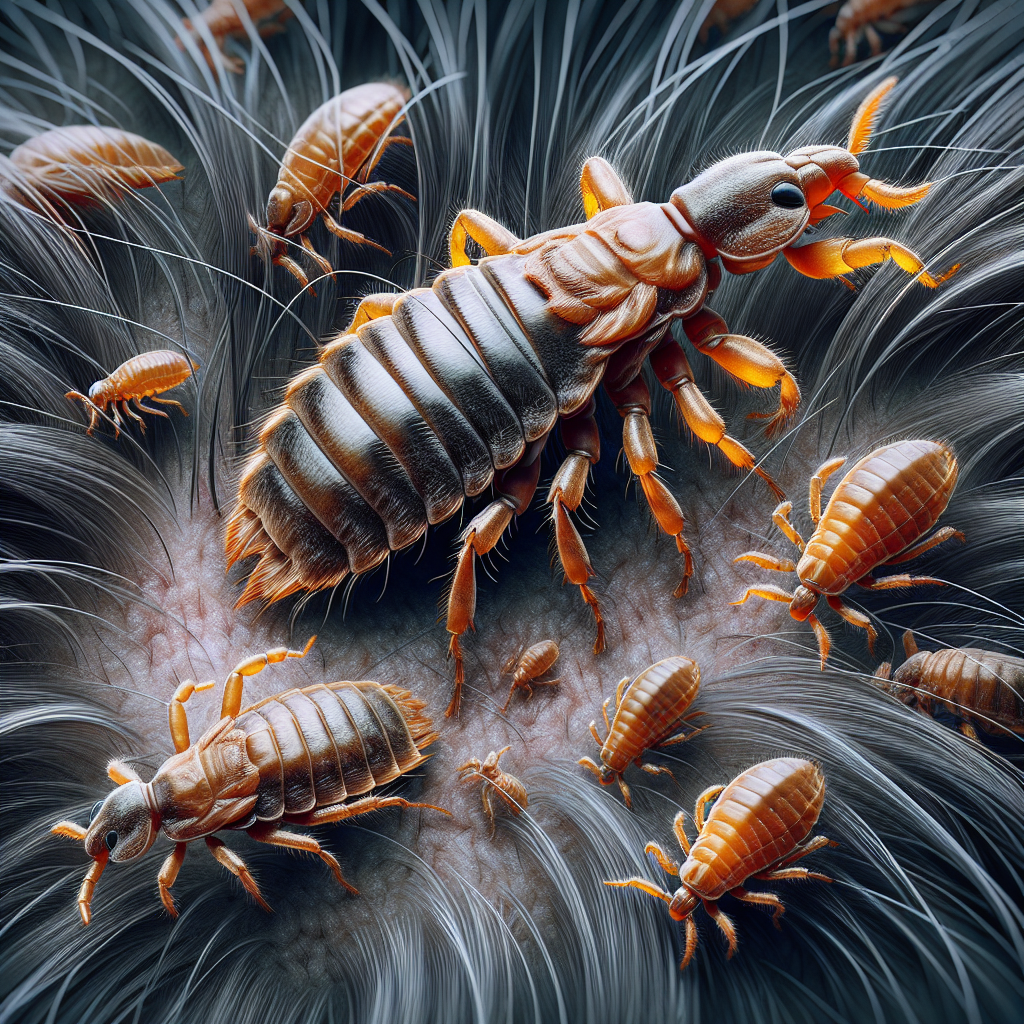
Dog fleas are small, typically measuring about 1/16 to 1/8 inches long. They have a flat, narrow body, which allows them to move easily through their host’s fur. Their dark brown color can make them difficult to spot, especially on dogs with dark coats. Fleas are equipped with strong hind legs, giving them the ability to jump long distances relative to their size, an adaptation that allows them to move swiftly from one host to another.

Common Signs of Flea Infestation

The most apparent sign of flea infestation is excessive scratching or biting at the skin by the dog. This behavior often results from the irritation caused by flea bites. In addition to scratching, dog owners might notice small red bumps or scabs on their pet’s skin, particularly around the neck, ears, and base of the tail. Another telltale sign is the presence of “flea dirt,” which resembles small black pepper-like specks and is actually flea feces composed of digested blood. A simple test to confirm flea dirt is to place it on a wet paper towel; if it turns reddish-brown, it’s likely flea dirt.

Life Cycle of Dog Fleas

Understanding the life cycle of dog fleas is crucial for effective management and control. Fleas undergo several stages of development, and each stage requires different strategies for effective eradication.

Stages of Development

Dog fleas have a four-stage life cycle: egg, larva, pupa, and adult. The process begins when adult fleas lay eggs on the host, which then fall off into the environment, such as the dog’s bedding or carpeted areas. These eggs hatch into larvae, which feed on organic matter, including flea dirt. The larvae then spin cocoons and enter the pupal stage, where they can remain dormant for weeks or even months. Finally, the mature flea emerges from the cocoon, ready to find a host and continue the cycle.

Timeline of Flea Life Cycle

The entire life cycle of a dog flea can range from a few weeks to several months, depending on environmental conditions. Under ideal conditions, the cycle can be completed in as little as two to three weeks. However, in cooler or less hospitable environments, fleas can remain in the pupal stage for extended periods, making it challenging to fully eradicate them from a home. This resilience underscores the importance of continuous and comprehensive flea control measures.

Effects of Flea Infestation on Dogs

Flea infestations can have significant adverse effects on dogs, impacting both their physical health and behavior. Recognizing these effects is crucial for timely intervention and treatment.

Health Issues Caused by Fleas

Fleas can cause a range of health problems in dogs, from mild irritation to severe allergic reactions. Flea bites can lead to flea allergy dermatitis, a condition where dogs develop an allergic response to flea saliva, resulting in intense itching and skin inflammation. Prolonged flea infestations can also lead to anemia, particularly in puppies or older dogs, due to the significant blood loss caused by numerous flea bites. Additionally, fleas are vectors for tapeworms, which can infect dogs when they ingest an infected flea during grooming.

Behavioral Changes in Infested Dogs

Behavioral changes are often a clear indicator of flea infestation in dogs. Infested dogs may exhibit restlessness and increased grooming or scratching. In severe cases, this behavior can lead to hair loss and open sores, which can become infected if not treated promptly. These behavioral changes, coupled with the physical discomfort caused by fleas, can significantly impact a dog’s quality of life, underscoring the need for vigilant monitoring and prompt treatment.

Diagnosing Flea Infestation

Accurate diagnosis of flea infestation is the first step in implementing an effective treatment plan. Knowing how to check for fleas and the tools available for diagnosis can help dog owners address the issue promptly.

How to Check Dogs for Fleas

To check for fleas, start by examining your dog’s skin and coat, focusing on areas where fleas are most likely to congregate, such as the neck, belly, and base of the tail. Use a fine-toothed flea comb to part the fur and look for signs of fleas or flea dirt. Pay attention to any signs of redness, bumps, or irritation, which may indicate flea bites. If you suspect fleas but don’t see any, consider using a flea comb to comb through the fur and collect any fleas or flea dirt that may be present.

Tools and Methods for Diagnosis

Several tools and methods can aid in diagnosing flea infestations. Flea combs are an essential tool for identifying fleas and their dirt. These combs have fine teeth that can capture fleas and debris from the fur. In addition to a visual examination, some veterinarians may recommend skin tests or blood tests to check for flea-related allergies or anemia. It’s also important to inspect the dog’s living environment for signs of fleas, such as flea dirt or larvae, particularly in areas where the dog spends a lot of time, like bedding or carpets.

By understanding the intricacies of dog fleas, from their identification and life cycle to the effects of infestation and methods of diagnosis, dog owners can better protect their pets from these persistent parasites and ensure their comfort and health.

Flea Treatment Options

When it comes to managing dog fleas, choosing the right treatment is crucial to ensure both the health of your pet and the comfort of your household. There are several treatment options available that cater to different needs and preferences.

Over-the-Counter Treatments

Over-the-counter treatments offer a convenient and accessible solution for many pet owners dealing with dog fleas. These treatments typically include flea shampoos, topical applications, and flea collars. Flea shampoos provide an immediate reduction in the flea population on your dog by killing adult fleas on contact. Topical applications, often referred to as spot-on treatments, are applied directly to the dog’s skin and can offer protection for up to a month. Flea collars, on the other hand, release active ingredients over time, providing a longer-term defense against fleas.

Prescription Medications

For more severe infestations or when over-the-counter treatments prove insufficient, prescription medications may be necessary. These are available through veterinarians and often come in the form of oral tablets or more potent topical treatments. Prescription flea medications are designed to target fleas at various stages of their life cycle, ensuring a comprehensive approach to combating dog fleas. These medications are particularly useful for dogs with allergies or sensitivities to flea bites, as they can quickly alleviate symptoms and prevent future infestations.

Natural and Home Remedies

For those looking to avoid chemicals, natural and home remedies can be a viable option for managing dog fleas. Essential oils like lavender, peppermint, and eucalyptus are often used in homemade flea sprays and can be effective in repelling fleas. Additionally, diatomaceous earth, a natural powder, can be sprinkled on carpets and pet bedding to dehydrate and kill fleas. Regular bathing with natural flea shampoos and maintaining a clean home environment are also key components of a natural flea control regimen.

Popular Flea Treatment Brands

The market offers a plethora of flea treatment brands, each with its own set of products and promises. Understanding these can help pet owners make informed decisions regarding their dog’s flea treatment.

Overview of Leading Brands

Some of the leading brands in the flea treatment industry include Frontline, Advantage, and Seresto. Frontline is well-known for its effective topical treatments that target both fleas and ticks. Advantage offers a range of products that are easy to apply and quick to act, making them a popular choice for many pet owners. Seresto, famous for its long-lasting flea collars, provides up to eight months of protection, making it a convenient option for those who prefer less frequent applications.

Comparison of Efficacy and Safety

When comparing the efficacy and safety of these brands, it is important to consider the specific needs of your pet. Frontline and Advantage are both highly effective at killing adult fleas and preventing future infestations, while Seresto offers extended protection with minimal maintenance. Safety is also a crucial factor, with most leading brands undergoing rigorous testing to ensure they are safe for pets and humans alike. However, individual reactions can vary, so it is advisable to monitor your pet for any adverse effects when introducing a new flea treatment.

Preventing Flea Infestations

Preventing dog fleas from becoming a recurring problem requires a proactive approach that includes both environmental management and regular pet care.

Environmental Controls

Environmental controls play a significant role in preventing flea infestations. Fleas thrive in warm, humid environments, making it essential to maintain a clean and dry living space. Regular vacuuming of carpets, rugs, and upholstery can help remove flea eggs and larvae. Washing pet bedding and soft furnishings in hot water can also eliminate potential flea habitats. Additionally, keeping your yard tidy by mowing the lawn and removing debris can reduce flea populations outside the home.

Regular Grooming and Maintenance

Regular grooming and maintenance of your pet are crucial in preventing dog fleas. Brushing your dog’s coat with a flea comb can help detect and remove fleas early. Bathing your dog with a specially formulated flea shampoo can also keep fleas at bay. Furthermore, regular health check-ups with your veterinarian can ensure that any flea problems are addressed promptly and effectively.

Flea Control in the Home

Managing dog fleas extends beyond treating your pet; it also involves ensuring your home is free from fleas and their eggs.

Cleaning and Vacuuming Techniques

Effective cleaning and vacuuming are essential components of flea control in the home. Regularly vacuuming floors, carpets, and furniture helps to eliminate flea eggs and larvae, reducing the chances of a full-blown infestation. It is important to dispose of vacuum bags or empty canisters immediately after cleaning to prevent fleas from escaping back into the home. Steam cleaning carpets and upholstery can further enhance the effectiveness of your cleaning routine by killing fleas at all stages of their life cycle.

Use of Insecticides and Flea Bombs

Insecticides and flea bombs can be powerful tools in the fight against dog fleas, especially in severe infestations. Insecticide sprays can be applied to areas where fleas are likely to hide, such as carpets, pet bedding, and cracks in flooring. Flea bombs, or foggers, release a pesticide mist that can penetrate hard-to-reach areas, ensuring comprehensive coverage. However, these products should be used with caution, following all safety guidelines to protect both pets and humans.

Fleas and Human Interaction

Understanding the interaction between dog fleas and humans is important for preventing discomfort and potential health issues.

Can Humans Get Fleas from Dogs?

While dog fleas prefer canine hosts, they can bite humans, causing itching and irritation. However, it is rare for dog fleas to live on humans for extended periods. The primary concern with dog fleas in the home is the potential for repeated bites and the discomfort they can cause.

Preventing Flea Bites on Humans

To prevent flea bites on humans, it is essential to manage flea populations on your pets and within your home. In addition to treating your pets, ensure that your living environment is regularly cleaned and free from fleas. Wearing long sleeves and pants when in areas with a known flea problem can help protect your skin from bites. Insect repellents designed for human use can also provide an extra layer of protection against flea bites.

In conclusion, managing dog fleas requires a multi-faceted approach that includes treating your pet, maintaining a clean home environment, and taking steps to prevent flea bites on humans. By understanding the available treatment options and implementing effective prevention strategies, you can keep both your pets and household free from the discomfort and health risks associated with dog fleas.

Fleas and Other Animals

The world of dog fleas extends beyond our canine companions, affecting a myriad of other animals. Understanding the transmission of fleas between pets and their broader impact on wildlife and stray animals is crucial in managing these persistent pests.

Flea Transmission Between Pets

Dog fleas are not picky. They often move between different pets, thriving in households with multiple animals. Cats, rabbits, and even ferrets can become hosts to dog fleas, leading to a household-wide infestation. This transmission occurs through direct contact when pets interact, but fleas can also move through shared environments, like pet bedding or common play areas. The close proximity of pets in a home setting provides fleas with ample opportunity to jump from one host to another, perpetuating the cycle of infestation.

Impact on Wildlife and Stray Animals

Beyond the domestic sphere, dog fleas can impact wildlife and stray animals. Stray dogs and cats are particularly vulnerable, often lacking the regular flea treatments that household pets receive. This results in high flea populations in areas with large numbers of stray animals, which can then spread to wildlife. Birds, rodents, and other small mammals can act as carriers, facilitating the movement of fleas across different environments. This not only affects the health of these animals but also complicates flea control efforts for pet owners living in or near such areas.

Addressing Flea-Related Skin Conditions

Fleas are more than just a nuisance; they can cause significant skin issues for dogs. Recognizing and addressing these conditions is vital for maintaining a pet’s health and comfort.

Common Skin Problems

Dog fleas are notorious for causing skin irritations. Flea bites lead to itching, inflammation, and the potential for allergic reactions. Flea allergy dermatitis (FAD) is one of the most common skin conditions seen in dogs, triggered by the saliva of the fleas. Symptoms of FAD include intense itching, redness, and even hair loss in severe cases. Dogs struggling with flea infestations often experience discomfort and distress, with constant scratching leading to secondary infections.

Treatment and Management of Dermatitis

Managing flea-related dermatitis involves a multi-faceted approach. Initially, eliminating the fleas is paramount. Using effective flea control products, such as topical treatments, oral medications, and flea collars, can help break the flea life cycle. For skin recovery, veterinarians may recommend soothing shampoos, antihistamines, or corticosteroids to alleviate itching and inflammation. Regular cleaning and vacuuming of the home environment are also necessary to remove flea eggs and larvae, preventing re-infestation and promoting skin healing.

Flea Myths and Misconceptions

There are numerous myths surrounding dog fleas that can hinder effective management and control. Dispelling these misconceptions is essential for pet owners striving to protect their animals.

Debunking Common Myths

One prevalent myth is that dog fleas only infest dirty homes or animals. In reality, fleas are opportunistic and can invade any environment where they find a suitable host, regardless of cleanliness. Another misconception is that fleas die off in winter. While colder temperatures can reduce flea activity outdoors, indoor environments with central heating provide a perfect year-round haven for fleas. Additionally, some believe that natural home remedies are as effective as veterinary treatments; however, these often lack the efficacy needed to fully eliminate an infestation.

Understanding Flea Behavior

Understanding the behavior of dog fleas is key to effective control. Fleas are adept at hiding in carpets, cracks, and crevices, making them difficult to eradicate without comprehensive treatment strategies. They are also prolific breeders, with a single flea capable of laying thousands of eggs in its lifetime. This rapid reproductive cycle means that even a small number of fleas can quickly escalate into a large infestation if not promptly addressed.

Long-Term Flea Control Strategies

Effective management of dog fleas requires long-term, strategic planning. Implementing integrated pest management and considering seasonal factors can greatly enhance control efforts.

Integrated Pest Management

Integrated Pest Management (IPM) is a holistic approach that combines multiple control methods. For dog fleas, this involves using chemical treatments alongside environmental modifications. Regular use of flea preventatives on pets is crucial, but equally important is maintaining a clean living space. Frequent vacuuming, washing pet bedding, and treating outdoor areas can significantly reduce flea populations. IPM also emphasizes monitoring flea activity to adjust strategies as needed, ensuring a tailored approach that meets the specific needs of each household.

Seasonal Considerations

Seasonality plays a role in flea management. Fleas thrive in warm and humid conditions, making spring and summer peak times for infestations. However, as mentioned earlier, indoor conditions can sustain fleas year-round. Pet owners should be vigilant in applying flea preventatives before the onset of warmer months and continue treatment throughout the year. Being proactive rather than reactive can help keep flea numbers manageable and prevent large-scale infestations.

Resources for Flea Information and Assistance

Navigating the challenges posed by dog fleas can be daunting. Fortunately, a wealth of resources is available to assist pet owners in managing flea infestations effectively.

Veterinary Consultation

Veterinarians are invaluable allies in the fight against dog fleas. They can provide tailored advice, recommend effective flea treatments, and assist in diagnosing flea-related health issues. Regular check-ups allow for early detection and intervention, preventing minor flea problems from escalating into major health concerns. Veterinarians can also offer guidance on integrating flea control into broader pet care routines, ensuring comprehensive protection.

Online Resources and Support Groups

The internet offers a plethora of resources for pet owners dealing with dog fleas. Reputable websites provide detailed information on flea biology, treatment options, and prevention strategies. Online support groups and forums allow pet owners to share experiences, tips, and encouragement with others facing similar challenges. These platforms can be particularly helpful for accessing up-to-date information and learning from the collective wisdom of experienced pet owners and professionals alike.

Quick Takeaways:

Dog fleas are a common nuisance for pet owners, causing discomfort to both dogs and their families. Understanding how to get rid of fleas on dogs naturally can be a valuable approach for those seeking chemical-free methods. Simple home remedies like using apple cider vinegar as a rinse or diatomaceous earth around the home can help manage flea problems. For dogs with sensitive skin, choosing the best flea treatment involves looking for products that are hypoallergenic or specifically formulated for delicate skin. Regular grooming and bathing with dog flea shampoo can also help keep fleas at bay.

Checking for fleas on dogs is a crucial part of flea management. It’s important to look for signs such as excessive scratching, flea dirt (tiny black specks), and visible fleas. Early detection can prevent a minor inconvenience from becoming a major infestation. Flea prevention tips for dog owners include maintaining a clean environment, using flea control products for homes, and considering seasonal flea prevention for dogs, especially in warmer months when fleas are most active.

Dog fleas can sometimes bite humans, causing itching and irritation, but they do not live on humans. Nevertheless, a thorough cleaning of your home and your pet’s environment is essential to break the dog flea life cycle stages and prevent re-infestation. Understanding the symptoms of flea infestation in dogs, such as hair loss and red bumps, can help in early diagnosis and treatment. Be aware of flea medication side effects in dogs, which can include vomiting and diarrhea, and consult a veterinarian for the safest options.

FAQs:

1.

How to get rid of fleas on dogs naturally?


Natural flea control methods can be effective and gentle on your pet. Using lemon juice or apple cider vinegar as a rinse can repel fleas due to their acidic nature. Regular grooming with a flea comb can physically remove fleas, and bathing your dog with a gentle, natural shampoo can further reduce flea populations. Additionally, vacuuming regularly and washing your dog’s bedding in hot water can help eliminate fleas from your home environment.

2.

What are the best flea treatments for dogs with sensitive skin?


For dogs with sensitive skin, look for flea treatments that are hypoallergenic and free from harsh chemicals. Spot-on treatments like those containing fipronil or selamectin can be effective while being gentle on the skin. Oral medications like those containing nitenpyram or lufenuron can also be considered after consulting with your vet. Always perform a patch test when trying new topical treatments and monitor your dog for any adverse reactions.

3.

How to check for fleas on dogs effectively?


To check for fleas on your dog, part their fur to look for small, fast-moving insects. Flea combs are an excellent tool as they can trap fleas and flea dirt. Pay special attention to areas such as the neck, behind the ears, and the base of the tail where fleas tend to congregate. If you find flea dirt, which looks like small black specks, dampen it with a bit of water; if it turns red, it’s a sign your dog has fleas.

4.

Can dog fleas live on humans?


Dog fleas do not live on humans, but they can bite and cause temporary discomfort. Flea bites on humans often appear as small, itchy red bumps, usually around the ankles or lower legs. While they do not infest human hair, maintaining a clean home and washing pet bedding can reduce the chances of fleas becoming a persistent issue for both pets and their owners.

5.

What are the symptoms of flea infestation in dogs?


Symptoms of flea infestation in dogs include excessive scratching, biting, or licking of the skin. You might also notice red, inflamed skin, hair loss, or scabs. In severe cases, dogs can develop flea allergy dermatitis, characterized by intense itching and skin infections. Regular checks and prompt treatment can prevent these symptoms from escalating into more serious health issues.

Conclusion:

Managing dog fleas requires a proactive approach that includes regular grooming, cleaning, and the use of effective flea treatments. Whether opting for natural remedies or commercial flea control products, consistency is key to preventing and eliminating flea infestations. It’s important for dog owners to remain vigilant, especially during peak flea season, and to be aware of their pet’s specific needs, such as sensitivity to certain treatments. Understanding the dog flea life cycle stages and employing both preventative and reactive measures can save your pet from discomfort and potential health complications. By staying informed and taking action at the first sign of fleas, you can ensure a happy, healthy environment for your dog and family.

References:
1. [PetMD on handling fleas on dogs](https://www.petmd.com/dog/general-health/how-to-handle-fleas-on-dogs)
2. [Wikipedia entry on Dog flea](https://en.wikipedia.org/wiki/Dog_flea)
3. [CDC guidance on flea prevention](https://www.cdc.gov/fleas/prevention/index.html)
4. [Cornell University’s information on fleas](https://www.vet.cornell.edu/departments-centers-and-institutes/riney-canine-health-center/canine-health-information/fleas)

Our solution eradicates fleas on contact without harmful chemicals, ensuring a safe environment for your pets and family. Easy to use and highly effective, SayByeBugs helps you maintain a flea-free home. Learn more and order today at SayByeBugs.com
Effective Solutions for Dog Fleas: Keep Your Pet Happy

Dog fleas can be a relentless nuisance, causing discomfort not only for your furry companion but also for your entire household. These tiny, parasitic insects thrive on the warm bodies of pets, leading to itching, irritation, and even more severe health issues if left untreated. As a responsible pet owner, it’s essential to understand how to tackle this persistent problem effectively. Fortunately, there are various solutions available to help you keep your pet both happy and healthy, free from the distress caused by dog fleas.

Understanding the Flea Lifecycle and Its Impact

To effectively combat dog fleas, it’s crucial to understand their lifecycle and the potential impact on your pet’s health. Fleas undergo four stages: egg, larva, pupa, and adult. The entire cycle can be completed in as little as three weeks, resulting in a rapid increase in flea population if not addressed promptly. Adult fleas live on your dog, feeding on their blood and laying eggs, which then fall off into the environment, particularly in areas where your dog rests. This means your home can quickly become a breeding ground for fleas, creating a cycle that is hard to break without comprehensive intervention.

Fleas are not just an itchy nuisance; they can also pose serious health risks to your dog. Flea bites may lead to flea allergy dermatitis, causing severe itching and skin infections. In some cases, fleas can transmit tapeworms and even cause anemia in puppies or small dogs due to blood loss. Recognizing these risks underscores the importance of taking proactive measures to prevent and treat flea infestations. Early intervention is key to ensuring your pet’s well-being and maintaining a comfortable living environment for both your pet and your family.

Effective Solutions for Flea Prevention and Treatment

Preventing and treating dog fleas requires a multi-faceted approach, combining regular grooming, environmental management, and appropriate use of flea control products. Regular grooming is a foundational aspect of flea prevention. Combing your dog’s fur with a fine-tooth flea comb can help detect fleas early and remove them before they become a more significant problem. Bathing your dog with a gentle, flea-repelling shampoo can also help keep fleas at bay. However, it’s important to use products specifically designed for dogs, as using the wrong product can be harmful.

Environmental management plays a critical role in breaking the flea lifecycle. Regularly vacuuming your home, especially areas where your dog spends a lot of time, can help remove eggs and larvae. Washing your pet’s bedding frequently in hot water is another effective strategy to eliminate any fleas that may have settled there. For severe infestations, consider hiring a professional pest control service to treat your home with safe, pet-friendly insecticides.

In addition to grooming and environmental management, using veterinary-approved flea control products is essential. Topical treatments, oral medications, and flea collars are popular options, each with its advantages. Topical treatments are applied directly to your dog’s skin and provide protection for up to a month. Oral medications are convenient and can start killing fleas within hours. Flea collars are another long-lasting solution, releasing active ingredients that repel or kill fleas. Consult with your veterinarian to determine the best option for your dog, considering factors such as age, weight, and health status.

In conclusion, while dog fleas are a common challenge for pet owners, they are manageable with the right approach. Understanding the flea lifecycle and its impact on your pet is the first step towards effective prevention and treatment. By combining regular grooming, thorough environmental management, and the use of appropriate flea control products, you can protect your dog from these pesky parasites. Taking these proactive steps not only ensures your pet’s comfort and health but also contributes to a flea-free home environment, allowing you and your furry friend to enjoy a happier, itch-free life together.

Our solution eradicates fleas on contact without harmful chemicals, ensuring a safe environment for your pets and family. Easy to use and highly effective, SayByeBugs helps you maintain a flea-free home. Learn more and order today at SayByeBugs.com

Dog Fleas: Effective Solutions Every Pet Owner Needs

Introduction to Dog Fleas

AI-generated image for: dog fleas

Dog fleas are a common nuisance for pet owners and their furry companions. These small, wingless insects are parasitic in nature, feeding on the blood of their hosts. Understanding what dog fleas are, how they live, and the impact they have on dogs is crucial for effective management and prevention.

Definition and Overview

Dog fleas, scientifically known as ectoparasites, are external parasites that infest dogs and other mammals. The most prevalent species affecting dogs is Ctenocephalides canis. However, it’s important to note that Ctenocephalides felis, the cat flea, is also commonly found on dogs. These fleas possess specialized mouthparts for piercing skin and siphoning blood, making them efficient parasites. Their ability to jump great distances allows them to quickly move from host to host, which contributes to their widespread distribution.

Common Species: Ctenocephalides canis

Ctenocephalides canis, commonly known as the dog flea, is the primary species infesting dogs. These fleas are reddish-brown and measure about 1-2 mm in length. They thrive in warm and humid environments, which is why infestations often spike during the warmer months. Understanding the species of flea affecting your pet is important for implementing the most effective treatment strategy, as different species can vary in their resistance to certain flea control products.

Life Cycle of Dog Fleas

The life cycle of dog fleas is a complex process that occurs in multiple stages. Each stage of development plays a critical role in the proliferation of fleas, making it essential for pet owners to understand their life cycle to effectively combat infestations.

Stages of Development

The life cycle of a dog flea consists of four main stages: egg, larva, pupa, and adult.

1.

Egg

: Female fleas lay eggs on the host animal, which then fall off into the environment, such as carpets, bedding, or soil. A single female can lay hundreds of eggs in her lifetime, contributing to rapid population growth.

2.

Larva

: The eggs hatch into larvae, which are worm-like and feed on organic debris, including adult flea feces. This stage lasts for several days to weeks, depending on environmental conditions.

3.

Pupa

: After the larval stage, fleas spin a cocoon and enter the pupal stage. This stage is highly resistant to environmental changes and can last several weeks to months.

4.

Adult

: Upon emerging from the cocoon, adult fleas seek out a host to feed on. Adult fleas make up about 5% of the flea population, while the remaining 95% are eggs, larvae, and pupae in the environment.

Environmental Conditions Favoring Growth

Dog fleas thrive in warm, humid climates. Temperatures between 70-85°F (21-29°C) and humidity levels of 70% or higher provide optimal conditions for flea development. Flea infestations are less common in colder, drier climates but can still occur indoors where environmental conditions are controlled. Understanding these conditions can help pet owners take preventive measures, such as maintaining low humidity levels indoors and regularly cleaning areas where pets spend time.

Identifying Fleas on Dogs

Identifying dog fleas on your pet is the first step in managing an infestation. Recognizing the signs of flea activity can help you take swift action to relieve your dog from discomfort and prevent further complications.

Physical Appearance of Fleas

Dog fleas are small, dark brown insects that move quickly through your pet’s fur. They are often difficult to spot due to their size and agility. Using a fine-toothed flea comb can help you detect fleas, as it catches them in the teeth of the comb. Flea dirt, which looks like small black specks, is another indicator of flea presence. This is actually flea excrement and can be confirmed by placing it on a wet paper towel; if it turns red, it indicates the presence of digested blood.

Common Signs and Symptoms in Dogs

Dogs with flea infestations often exhibit itching and scratching, especially around the neck, back, and base of the tail. Excessive grooming or biting at the skin can also be signs of fleas. In severe cases, dogs may develop red, inflamed skin or bald patches due to constant scratching. Monitoring your dog’s behavior and checking their coat regularly can help catch an infestation early, before it becomes severe.

Health Implications of Flea Infestations

Flea infestations can have significant health implications for dogs. Beyond the discomfort of itching and scratching, fleas pose more serious health risks that require attention and proper treatment.

Itching and Skin Irritations

Flea bites cause immediate itching and irritation due to the saliva injected into the dog’s skin during feeding. This can lead to relentless scratching, biting, and licking, which in turn can result in open sores and secondary skin infections. These infections occur when bacteria enter the broken skin, leading to further complications that may require veterinary treatment.

Potential for Hair Loss and Skin Infections

Hair loss, also known as alopecia, can occur in areas where dogs frequently scratch or bite due to flea irritation. The affected skin may become red and inflamed, and if left untreated, secondary infections can develop. Skin infections caused by bacteria or yeast can exacerbate the discomfort and may require antibiotics or antifungal treatments to resolve.

Flea Allergies in Dogs

Some dogs are hypersensitive to flea bites and can develop a condition known as flea allergy dermatitis (FAD). This allergic reaction can cause severe discomfort and requires specific management strategies.

Symptoms of Flea Allergy Dermatitis

Dogs with flea allergy dermatitis often experience intense itching, even with just a few flea bites. This can lead to severe skin irritation, redness, and the presence of hot spots—areas of inflamed, moist skin. The itching is typically most pronounced on the back half of the dog, particularly near the tail base. Dogs suffering from FAD may also have scabs or crusted areas on the skin due to constant scratching.

Diagnosis and Treatment Options

Diagnosing flea allergy dermatitis involves a thorough examination by a veterinarian, who may identify fleas or flea dirt on the animal. In some cases, a skin test may be conducted to confirm the allergy. Treatment often involves a combination of flea control and managing the allergic symptoms. Flea control is critical and may include topical treatments, oral medications, or environmental controls to eliminate fleas from the pet’s surroundings. To alleviate allergy symptoms, veterinarians may prescribe antihistamines, corticosteroids, or in severe cases, immunotherapy. Regular flea prevention is essential for dogs with FAD to prevent future outbreaks and maintain their comfort and health.

Preventive Measures Against Dog Fleas


Dog fleas are a common concern for pet owners, given their ability to cause discomfort and health issues for both pets and humans. Taking preventative measures is essential to avoid flea infestations.

Importance of Regular Grooming


Regular grooming is a fundamental preventive measure against dog fleas. Brushing your dog’s coat not only keeps it clean and tangle-free but also helps in the early detection of fleas or flea dirt. By making grooming a routine, pet owners can frequently check for signs of fleas and take swift action if needed. Moreover, grooming helps in spreading natural oils through your dog’s coat, maintaining its health and making it less inviting for fleas. Bathing your dog with a veterinarian-approved shampoo can further help in washing away potential flea eggs or larvae.

Use of Flea Collars and Preventive Products


Flea collars and preventive products are effective tools in the fight against dog fleas. These collars are designed to release active ingredients that repel fleas, providing a protective barrier around your pet. They are especially useful for dogs that spend a lot of time outdoors, where exposure to fleas is higher. In addition to collars, there are various spot-on treatments and oral medications available that provide long-lasting protection against fleas. These products work by either repelling fleas or killing them before they can lay eggs, thus breaking the flea lifecycle and preventing infestations.

Treatment Options for Flea Infestations


Despite best preventive efforts, flea infestations can still occur. When they do, it’s crucial to address them promptly to prevent them from worsening.

Oral and Topical Medications


Oral and topical medications are effective in treating flea infestations in dogs. Oral medications, often in the form of chewable tablets, work systemically to kill fleas quickly. These medications are usually fast-acting and can start eliminating fleas within hours. On the other hand, topical treatments are applied directly to the dog’s skin, usually on the back of the neck, and work by spreading through the oils of the skin and hair. Both forms of medication disrupt the flea lifecycle, ensuring that adult fleas, as well as eggs and larvae, are eradicated.

Flea Shampoos and Dips


Flea shampoos and dips are another approach to tackling flea infestations. These products are specially formulated to kill fleas on contact. Flea shampoos are used during regular bathing and often contain insecticides that are safe for dogs but lethal to fleas. Dips, a more concentrated solution, are applied as a rinse after bathing and can provide extended protection. It’s important to follow the product instructions carefully to ensure safety and effectiveness. While shampoos and dips can be beneficial in eliminating fleas, they should be used in conjunction with other treatments for comprehensive control.

Home Environment Control


Controlling dog fleas extends beyond treating the pet; the home environment must also be managed to prevent reinfestation.

Importance of Vacuuming and Cleaning


Regular vacuuming and cleaning are crucial in controlling dog fleas within the home. Flea eggs, larvae, and pupae can live in carpets, upholstery, and pet bedding. Vacuuming helps remove these stages of the flea lifecycle, reducing the likelihood of re-infestation. Focus on areas where your dog frequently rests or plays, and don’t forget to empty the vacuum bag or container immediately after cleaning. Washing pet bedding and toys in hot water can further aid in eliminating any flea remnants.

Use of Flea Sprays and Foggers


Flea sprays and foggers can be effective in treating larger areas where fleas might reside. These products contain insecticides that can target fleas in various life stages. Sprays are ideal for localized treatment, such as on furniture or rugs, while foggers are designed to treat entire rooms. When using these products, ensure that all pets and people are out of the treated areas until it’s safe to return, as per the manufacturer’s instructions. Combining these treatments with regular cleaning practices can significantly reduce flea populations in the home.

Outdoor and Yard Management


Since dog fleas can easily come from outdoor environments, managing your yard and surrounding areas is essential.

Minimizing Flea Habitats


To reduce the chances of dog fleas entering your home, it’s important to minimize flea habitats in your yard. Fleas thrive in warm, shaded, and humid areas. Mowing the lawn regularly, trimming shrubs, and removing debris such as leaves and grass clippings can make your yard less inviting to fleas. Creating a barrier with gravel or mulch between flower beds and your lawn can also help keep fleas away from areas where your dog plays.

Protecting Outdoor Pets


For pets that spend a significant amount of time outdoors, additional protection against dog fleas may be necessary. Ensuring that outdoor pets are on a consistent flea prevention regimen is crucial. Products like flea collars, spot-on treatments, and oral medications should be used as recommended by a veterinarian. Providing a clean, dry, and shaded area for your pets to rest can also help minimize exposure to fleas.

Fleas and Human Interaction


While dog fleas prefer canine hosts, they can also affect humans, making it important to understand the dynamics of flea-human interaction.

Can Humans Get Fleas from Dogs?


Humans can indeed get fleas from dogs, although they are not the preferred host. Fleas may bite humans, causing irritation, itching, and sometimes allergic reactions. The bites are often found in clusters or lines and are usually around the ankles or legs. While dog fleas do not live on humans, they can still pose a nuisance and potentially transmit diseases.

Preventive Measures for Humans


To prevent flea bites and potential infestations, it’s essential for humans to take precautionary measures. Using insect repellent on clothing and keeping skin covered when in flea-infested areas can reduce the risk of bites. Regularly washing clothing and bed linens in hot water can also help eliminate any fleas that might have hitched a ride indoors. Maintaining a clean home environment and ensuring that pets are treated for fleas are the most effective ways to minimize human-flea interactions.

Special Considerations for Puppies

When it comes to dog fleas, puppies require special attention due to their developing immune systems and delicate skin. Understanding how to effectively identify and treat fleas on puppies is crucial for their health and well-being.

Identifying Fleas on Puppies

Spotting fleas on puppies can be challenging due to their size and the thickness of their fur. To identify these pests, carefully inspect your puppy’s coat, especially around the neck and tail, as these are common hiding spots for fleas. Look for signs such as flea dirt, which resembles black pepper, or small, fast-moving insects. Puppies may also exhibit symptoms like excessive scratching or biting at their skin, hair loss, or irritated skin. Regular grooming and close observation are key to early detection.

Safe Treatment Options for Young Dogs

Treating dog fleas in puppies requires a cautious approach to avoid harmful chemicals. Many flea treatments are not suitable for puppies under a certain age or weight. It’s essential to choose products specifically formulated for young dogs. Topical treatments and oral medications are available, but always consult with a veterinarian before administering any treatment. In some cases, natural remedies may be safer for puppies, helping to repel fleas without the use of harsh chemicals.

Natural Remedies and Alternative Treatments

While traditional flea treatments are effective, many pet owners seek natural alternatives to protect their dogs from fleas. These options often appeal to those looking for eco-friendly and less chemically invasive solutions.

Herbal and Natural Flea Repellents

Natural remedies for dog fleas include essential oils such as lavender, eucalyptus, and citronella. These oils have been known to repel fleas when diluted and applied correctly. Additionally, diatomaceous earth, a natural powder, can be sprinkled on carpets and pet bedding to kill fleas by dehydrating them. Apple cider vinegar is another popular option; when diluted with water, it can be used as a spray or added to a dog’s drinking water to create an inhospitable environment for fleas.

Efficacy and Safety Concerns

While natural remedies can be beneficial, their efficacy varies, and safety should always be a priority. Essential oils must be used with caution, as some can be toxic to dogs if ingested or applied improperly. It’s vital to research any natural treatment thoroughly and, when in doubt, consult with a veterinarian. Additionally, while products like diatomaceous earth are generally safe, they should be food-grade and used carefully to avoid respiratory irritation.

The Role of Veterinarians in Flea Control

Veterinarians play a pivotal role in managing and preventing dog fleas, offering expert guidance and tailored treatment plans for each pet.

Importance of Professional Guidance

Veterinarians possess the knowledge and expertise to recommend the most effective flea control methods for dogs, considering factors such as age, breed, and health status. They can provide insights into the latest flea treatments and preventive measures, ensuring that pet owners make informed decisions. Professional guidance is particularly crucial for puppies and dogs with sensitivities or allergies, as their treatment needs may differ from the norm.

Regular Check-Ups and Consultations

Routine veterinary check-ups are essential for early detection and management of dog fleas. During these visits, veterinarians can assess your dog’s overall health and identify any flea infestations before they become severe. Regular consultations also allow pet owners to stay updated on new flea prevention strategies and products, ensuring their pets receive the best possible care.

Flea Prevention and Control Strategies

Effective flea control involves a comprehensive approach, combining various strategies to create an environment that is unfriendly to fleas.

Integrated Pest Management

Integrated Pest Management (IPM) involves using multiple methods to control dog fleas, focusing on prevention and minimizing the use of chemicals. Start by maintaining a clean environment; regularly vacuum carpets and wash pet bedding to eliminate flea eggs and larvae. Use flea combs to physically remove fleas from your dog’s coat, and consider biological control methods, such as introducing beneficial nematodes to your yard to reduce flea populations.

Seasonal Considerations and Adjustments

Flea activity often varies with the seasons, requiring adjustments in prevention strategies. In warmer months, fleas reproduce more rapidly, necessitating increased vigilance and more frequent treatments. Conversely, during colder months, fleas are less active, but it’s still important to continue preventive measures, as they can survive indoors. Tailoring your flea control approach to the seasons helps ensure year-round protection for your dog.

Common Myths and Misconceptions About Dog Fleas

Misinformation about dog fleas can lead to ineffective treatments and unnecessary frustration for pet owners. Debunking common myths is vital for effective flea control.

Debunking Popular Beliefs

One prevalent myth is that dog fleas only affect dirty animals. In reality, fleas do not discriminate and can infest any dog, regardless of cleanliness. Another misconception is that fleas are only a problem in the summer. While fleas thrive in warm weather, they can survive indoors year-round. Additionally, some believe that garlic or brewer’s yeast can repel fleas, but there is little scientific evidence supporting these claims.

Educating Pet Owners

Educating pet owners about the realities of dog fleas is crucial for effective prevention and treatment. Understanding that fleas can affect any dog and that consistent prevention strategies are necessary, regardless of the season, empowers owners to take proactive steps. By dispelling myths and promoting accurate information, pet owners can better protect their dogs from the discomfort and health risks associated with fleas.

Quick Takeaways:

Dog fleas are a common nuisance to pet owners, causing discomfort and health issues for dogs. Recognizing the signs of fleas on dogs is crucial for maintaining their well-being. Symptoms like excessive scratching, red bumps, and hair loss are telltale indicators. To effectively tackle this problem, understanding the dog flea life cycle is essential, as it helps in implementing timely interventions.

There are various ways to get rid of dog fleas naturally. Options include using natural flea repellents for pets, such as essential oils or vinegar solutions. These remedies can be gentle on your pet’s skin while effectively repelling fleas. Additionally, maintaining a clean home environment is vital, as fleas can thrive in carpets and upholstery. Environmental flea control solutions, such as frequent vacuuming and washing pet bedding, help minimize the presence of fleas.

For those looking for the best flea treatment for dogs, consider options like topical treatments, oral medications, or effective flea shampoos for dogs. Always consult with a veterinarian to choose the most suitable approach for your pet’s specific needs.

Prevention is always better than cure. Dog flea prevention methods include regular grooming and the use of flea collars or spot-on treatments. Flea control for puppies requires special consideration due to their sensitive skin; consult with a vet to find safe solutions.

Remember, fleas can also cause allergic reactions, known as flea allergy dermatitis in dogs, which require prompt attention. Although fleas primarily prefer animals, they can bite humans, so it’s important to manage infestations effectively.

FAQs:

1.

What are the signs of fleas on dogs?

Signs of fleas on dogs include excessive scratching and biting of the skin, which leads to red, irritated patches. You might also notice small red bumps or scabs, especially around the tail, neck, and groin areas. Fleas or flea dirt (tiny black specks) may be visible on your dog’s skin or in their fur. If your dog shows signs of discomfort or skin irritation, it’s essential to check for fleas promptly.

2.

How to get rid of dog fleas naturally?

There are several natural methods to get rid of dog fleas. One effective way is using a mixture of water and apple cider vinegar as a spray, which acts as a natural flea repellent. Essential oils like lavender or cedarwood, diluted and used cautiously, can also deter fleas. Regularly bathing your dog with a mild soap or a natural flea shampoo can help remove fleas from their coat. Additionally, keeping your home clean by vacuuming regularly and washing your dog’s bedding can reduce flea populations.

3.

Can fleas live on humans?

While dog fleas prefer to live on dogs and other animals, they can bite humans, causing itchy welts. However, fleas typically do not live on humans as they do on pets. They may jump onto humans temporarily, especially in the case of a severe infestation in the home. It’s important to control flea infestations in pets and the home environment to prevent bites and discomfort for all household members.

4.

What is the best flea treatment for dogs?

The best flea treatment for dogs varies depending on the individual dog’s needs and health conditions. Topical treatments, which are applied directly to your dog’s skin, are popular for their ease of use and effectiveness. Oral medications are another option, offering long-lasting protection. For immediate relief, an effective flea shampoo for dogs can help remove fleas on contact. It’s crucial to consult with a veterinarian to determine the most appropriate treatment for your dog.

5.

What are dog flea allergy symptoms?

Dog flea allergy symptoms, part of a condition known as flea allergy dermatitis, include intense itching, redness, and inflammation of the skin. Dogs may experience hair loss, particularly around the base of the tail, due to excessive scratching or biting. The presence of hot spots, or moist, oozing sores, is another symptom. If you notice these signs, it’s important to seek veterinary care, as untreated flea allergies can lead to secondary infections.

Conclusion:

Managing dog fleas requires a proactive and comprehensive approach. Recognizing the signs of fleas on dogs is the first step in addressing this issue. Whether opting for natural remedies or seeking the best flea treatment for dogs, it’s important to tailor solutions to your pet’s specific needs. Preventative measures, such as regular grooming and environmental control, play a crucial role in keeping fleas at bay. Flea prevention for dogs in winter is equally important, as fleas can remain active year-round.

By understanding the dog flea life cycle and implementing effective flea control methods, pet owners can provide a more comfortable and healthy environment for their furry companions. Remember, addressing flea infestations promptly not only improves your dog’s quality of life but also helps prevent potential health complications like flea allergy dermatitis. Consistent vigilance and the right preventive strategies are key to keeping dog fleas under control and ensuring the happiness and well-being of your beloved pet.

References:
1. [PetMD – How to Handle Fleas on Dogs](https://www.petmd.com/dog/general-health/how-to-handle-fleas-on-dogs)
2. [Wikipedia – Dog Flea](https://en.wikipedia.org/wiki/Dog_flea)
3. [Cornell University – Fleas](https://www.vet.cornell.edu/departments-centers-and-institutes/riney-canine-health-center/canine-health-information/fleas)
4. [CDC – Flea Prevention](https://www.cdc.gov/fleas/prevention/index.html)
5. [WebMD – Spot Fleas](https://www.webmd.com/pets/spot-fleas)

Our solution eradicates fleas on contact without harmful chemicals, ensuring a safe environment for your pets and family. Easy to use and highly effective, SayByeBugs helps you maintain a flea-free home. Learn more and order today at SayByeBugs.com

Dog Fleas: Effective Solutions Every Owner Should Know

For many pet owners, the sight of their dog scratching incessantly is all too familiar. Dog fleas are a common nuisance, often causing discomfort to pets and frustration for their owners. These tiny parasites can lead to significant health issues if left unchecked, making it crucial for every dog owner to be equipped with effective solutions. Understanding the lifecycle and behavior of dog fleas is the first step in combating them and ensuring your furry friend remains happy and healthy.

Understanding Dog Fleas and Their Impact

Dog fleas are small, wingless insects that feed on the blood of their hosts. Despite their size, they can jump great distances, making them adept at moving between hosts or from the environment onto your dog. Fleas thrive in warm, humid environments and can be particularly problematic during the spring and summer months. However, with central heating, they can be a year-round problem indoors. The lifecycle of a flea, from egg to adult, is surprisingly quick—sometimes as short as three weeks. This rapid reproduction can lead to a flea infestation before you even notice the first signs, like excessive scratching or biting at the skin.

The impact of fleas extends beyond mere irritation. Some dogs develop an allergy to flea saliva, leading to Flea Allergy Dermatitis (FAD), a condition that causes intense itching, skin infections, and hair loss. Moreover, fleas can transmit tapeworms and other pathogens, posing further health risks to your dog. Therefore, understanding and identifying the presence of fleas early is essential. Regular grooming and inspection of your dog’s fur, especially around the neck and tail, can help catch these parasites before they become a significant issue.

Effective Solutions for Dog Fleas

Prevention is key when it comes to managing dog fleas. There are numerous preventative treatments available that can effectively break the flea lifecycle. Spot-on treatments, oral medications, and flea collars are popular options, each with its benefits and duration of effectiveness. Spot-on treatments are typically applied monthly and can kill fleas within hours. Oral medications, which are also given monthly, work from within, preventing fleas from reproducing. Flea collars can offer extended protection, lasting up to eight months, and are a convenient choice for many pet owners.

In addition to preventative measures, treating your home environment is crucial in combating dog fleas. Fleas can lay eggs in carpets, bedding, and upholstery, creating a hidden reservoir of future parasites. Regular vacuuming, washing your dog’s bedding in hot water, and using environmental sprays or foggers can significantly reduce the likelihood of an infestation. It’s also worth considering professional pest control services if the problem persists, as they can offer more thorough solutions.

Natural remedies can also be a complement to traditional treatments. Diatomaceous earth, a fine powder made from fossilized algae, can be sprinkled on carpets and pet bedding to dehydrate and kill fleas. Essential oils like lavender and cedarwood, when diluted and used cautiously, can deter fleas and provide a pleasant scent. However, always consult with a veterinarian before trying new treatments to ensure they are safe for your pet.

Ultimately, maintaining a consistent regimen of preventative care and environmental management is the best defense against dog fleas. By being vigilant and proactive, you can protect your dog from the discomfort and health risks associated with these pesky parasites, ensuring they remain a joyful and integral part of your family.

Our solution eradicates fleas on contact without harmful chemicals, ensuring a safe environment for your pets and family. Easy to use and highly effective, SayByeBugs helps you maintain a flea-free home. Learn more and order today at SayByeBugs.com

Effective Solutions for Dog Fleas: Keep Pests Away

Dog fleas can be a persistent problem for many pet owners, posing discomfort to our furry friends and potential infestations in our homes. These tiny pests can cause itching, skin irritation, and even lead to more serious health issues if left untreated. Understanding how to effectively combat dog fleas is essential for maintaining a healthy and happy pet. This article explores some of the most effective solutions for keeping these pesky invaders at bay, ensuring both your dog and your household remain flea-free.

Understanding Dog Fleas and Their Impact

Dog fleas are small, wingless insects that thrive on the blood of mammals, particularly dogs. They have an incredible ability to jump significant distances and can spread quickly from one host to another. Once on your dog, fleas can multiply at an alarming rate, with a single female capable of laying hundreds of eggs in a short period. This rapid reproduction makes fleas a formidable opponent in the battle for a flea-free environment.

The impact of dog fleas extends beyond mere annoyance. Flea bites can cause severe itching and allergic reactions in some dogs, leading to skin infections and hair loss from excessive scratching. In more severe cases, fleas can transmit tapeworms and other diseases, posing a health risk to both pets and their owners. Additionally, a flea infestation in the home can be challenging to eradicate, requiring a comprehensive approach to treatment and prevention.

Effective flea management begins with regular grooming and inspection of your dog. Brushing your dog’s coat regularly can help you spot fleas early and remove them before they have a chance to multiply. Bathing your dog with flea-repellent shampoos can also prove beneficial. However, while shampoos can kill adult fleas on contact, they do not prevent re-infestation, necessitating the use of additional preventive measures.

Preventing and Treating Dog Fleas

Preventing dog fleas is often easier and more effective than treating an existing infestation. A key strategy is the use of veterinary-approved flea preventatives, such as topical treatments, oral medications, or flea collars. These products are designed to kill fleas at various stages of their lifecycle, preventing them from reproducing and spreading. Consulting with your veterinarian will help you choose the most appropriate product for your dog based on their health, age, and lifestyle.

In addition to chemical preventatives, maintaining a clean environment is crucial in the fight against dog fleas. Regularly vacuuming carpets, furniture, and pet bedding can help eliminate flea eggs and larvae from your home. Washing your dog’s bedding and toys in hot water will also aid in this effort. It’s important to treat not only your pet but also your home and yard to ensure that any fleas or eggs present are effectively removed.

When dealing with an existing flea infestation, a multi-faceted approach is necessary. Begin by treating your dog with a fast-acting flea treatment to kill adult fleas quickly. Follow up with a long-term preventative to ensure continued protection. Simultaneously, treat your home with flea sprays or foggers designed to kill fleas in all life stages. Remember to thoroughly clean and vacuum your home before applying any treatment to maximize its effectiveness.

Dog fleas can be a significant nuisance, but with the right approach, they can be effectively managed and prevented. By understanding their lifecycle and implementing a combination of grooming, preventative, and environmental measures, you can protect your pet and home from these persistent pests. Always consult with your veterinarian to tailor a flea control plan that suits your dog’s specific needs, ensuring their comfort and well-being.

Our solution eradicates fleas on contact without harmful chemicals, ensuring a safe environment for your pets and family. Easy to use and highly effective, SayByeBugs helps you maintain a flea-free home. Learn more and order today at SayByeBugs.com

Dog Fleas: Effective Solutions for a Flea-Free Pet

Imagine your furry friend scratching incessantly, unable to find relief. This distressing scene is all too familiar for many dog owners dealing with the relentless problem of dog fleas. These tiny pests can cause significant discomfort and health issues for your pet. Understanding how to effectively combat these parasites is crucial for maintaining a happy, healthy pet. In this article, we will explore some of the most effective solutions for keeping your dog flea-free and ensuring a peaceful, itch-free existence for your beloved companion.

Understanding Dog Fleas and Their Impact

Dog fleas are more than just a minor annoyance; they can cause a host of problems for both your pet and your home. These small, wingless insects feed on your dog’s blood, causing itching, irritation, and potential allergic reactions. In severe cases, a flea infestation can lead to anemia or transmit tapeworms and other diseases. Dog fleas thrive in warm, humid environments, which makes them a persistent problem in many regions year-round. Understanding the life cycle of fleas is vital in combating them effectively. Fleas go through four stages: egg, larva, pupa, and adult. Breaking this cycle requires a comprehensive approach that targets each stage simultaneously.

The first step in managing dog fleas is prevention. Regular grooming is essential, as it helps you spot fleas early and reduces the chances of a full-blown infestation. Using a flea comb can be particularly effective in removing adult fleas and their eggs. Additionally, maintaining a clean living environment is crucial. Vacuuming carpets, furniture, and your pet’s bedding regularly can help eliminate flea eggs and larvae. It’s also advisable to wash your dog’s bedding in hot water weekly. These simple practices can significantly reduce the risk of a flea infestation in your home.

Effective Treatments for a Flea-Free Pet

While prevention is vital, sometimes dog fleas can still find their way onto your pet despite your best efforts. In such cases, choosing the right treatment is key. There are several options available, ranging from topical treatments to oral medications. Topical treatments, often applied monthly, work by killing fleas on contact. They are easy to apply and provide ongoing protection against fleas and ticks. Oral medications, on the other hand, work systemically. These are usually given as a chewable tablet and can kill fleas quickly, sometimes within hours. They are an excellent option for dogs that swim frequently or for pet owners who prefer not to deal with topical applications.

Another effective treatment approach is the use of flea collars. Modern flea collars release active ingredients that kill fleas and prevent their return. They can provide long-lasting protection, often up to eight months, making them a convenient option for many dog owners. In addition to these treatments, natural remedies such as essential oils can also offer some relief. However, it’s crucial to consult with your veterinarian before using any natural treatments to ensure they are safe for your dog.

Maintaining a regular treatment schedule is essential to keep dog fleas at bay. It’s important to treat your dog consistently, even during cooler months, as fleas can survive indoors. Treating all pets in your household simultaneously is also crucial to prevent fleas from jumping from one host to another. Remember that while treatments can be highly effective, they work best when combined with preventive measures like regular grooming and cleaning.

In conclusion, dealing with dog fleas requires a multifaceted approach that combines prevention, regular grooming, and effective treatment options. By understanding the life cycle of fleas and implementing these strategies, you can protect your pet from the discomfort and health risks associated with flea infestations. A flea-free pet is a happy pet, and with diligence and the right resources, you can ensure that your furry friend enjoys a comfortable, itch-free life.

Our solution eradicates fleas on contact without harmful chemicals, ensuring a safe environment for your pets and family. Easy to use and highly effective, SayByeBugs helps you maintain a flea-free home. Learn more and order today at SayByeBugs.com

Dog Fleas: Effective Solutions for Your Pet’s Comfort

Dog fleas are more than just a minor inconvenience; they can cause significant discomfort and health issues for your beloved pet. These tiny pests not only lead to persistent itching and skin irritation but can also transmit diseases and cause allergic reactions. With the well-being of your furry friend at stake, it’s essential to address the problem of dog fleas promptly and effectively. In this article, we’ll explore some of the most effective solutions to help ensure your pet remains comfortable and flea-free.

Understanding the Lifecycle of Dog Fleas

To effectively combat dog fleas, it is crucial to understand their lifecycle. Fleas go through four stages: egg, larva, pupa, and adult. The adult fleas are the ones you typically notice on your dog, but the other stages can be lurking in your home environment. Female fleas lay dozens of eggs each day, which can fall off your pet and scatter throughout your home. These eggs then hatch into larvae, which can burrow into carpets, furniture, and bedding, making eradication more challenging.

The pupa stage follows, during which the flea is encased in a protective cocoon, making it resistant to many treatments. This stage can last for several days to weeks, depending on environmental conditions. Finally, the flea emerges as an adult, ready to find a host and continue the cycle. Given this lifecycle, a single treatment is often insufficient. Comprehensive approaches that target multiple stages are necessary to effectively eliminate dog fleas from your pet and home.

Regular vacuuming of your home is an essential first step. This helps to remove eggs and larvae from carpets and furniture. Washing your pet’s bedding in hot water can also kill fleas in various stages of their lifecycle. Additionally, consider using flea traps and sprays that are designed to target fleas in the environment. These preventive measures will reduce the flea population and make it easier to manage the problem.

Choosing the Right Treatment for Your Pet

Selecting the appropriate treatment for dog fleas involves considering your pet’s specific needs and lifestyle. There are numerous options available, ranging from topical treatments to oral medications and flea collars. Topical treatments, often applied monthly, work by spreading over your dog’s skin and killing fleas on contact. These are an excellent option for immediate relief, but it’s crucial to follow the application instructions carefully to avoid any adverse reactions.

Oral medications are another effective solution, often providing protection against fleas for up to three months. These are typically administered as chewable tablets and work by entering your dog’s bloodstream, killing fleas when they bite. Oral treatments can be a convenient option, especially if your pet is often outdoors or in contact with other animals. However, always consult with your veterinarian before starting any new medication to ensure it is safe and suitable for your pet.

Flea collars have also become increasingly popular due to their convenience and long-lasting protection. These collars release active ingredients that repel and kill fleas, offering continuous protection for several months. They can be an excellent choice for pets who do not tolerate topical or oral treatments well. Nonetheless, ensure the collar fits your pet correctly and check regularly for any signs of irritation.

Ultimately, a combination of treatments may be necessary to effectively manage dog fleas. Regular grooming and bathing with flea-specific shampoos can help in monitoring and controlling fleas. It’s also essential to maintain a regular treatment schedule, as missing doses can lead to a resurgence of fleas.

In conclusion, dealing with dog fleas requires a comprehensive approach that involves understanding their lifecycle, maintaining a clean environment, and choosing the right treatment for your pet. By taking proactive measures and staying vigilant, you can help ensure that your furry friend remains comfortable and free from the discomfort and health risks associated with fleas. Always consult with your veterinarian to tailor a plan that best suits your pet’s needs, ensuring both their happiness and health.

Our solution eradicates fleas on contact without harmful chemicals, ensuring a safe environment for your pets and family. Easy to use and highly effective, SayByeBugs helps you maintain a flea-free home. Learn more and order today at SayByeBugs.com

Dog Fleas: Effective Solutions for Pet Owners

Dealing with dog fleas can be a challenging task for any pet owner. These tiny parasites can cause significant discomfort to your furry friend and potentially lead to more severe health issues if not addressed promptly. Understanding how to effectively combat and prevent infestations is crucial for ensuring your pet’s well-being and maintaining a harmonious home environment. This article will explore practical solutions and preventative measures for managing dog fleas, ensuring your pet remains happy and healthy.

Identifying and Treating Dog Fleas

The first step in addressing a flea problem is accurately identifying the presence of dog fleas. These pests are often visible on your pet’s coat, particularly around the neck and tail. You might notice your dog scratching excessively, which can be a telltale sign of an infestation. Additionally, tiny black specks, often referred to as “flea dirt,” may appear on your dog’s skin or bedding. If you suspect fleas, it’s essential to act swiftly to prevent them from spreading.

Treatment options for dog fleas vary, ranging from over-the-counter products to prescription medications. Topical treatments are a popular choice, as they are applied directly to your dog’s skin and offer month-long protection. Oral medications, available through a veterinarian, provide an alternative that ensures the treatment is ingested and distributed throughout your pet’s system. Both options can effectively eliminate existing fleas and prevent future infestations.

Bathing your dog with a flea shampoo can also help alleviate discomfort and reduce the number of fleas on their body. However, shampoos are not a long-term solution and should be used in conjunction with other treatments. Additionally, washing your pet’s bedding and vacuuming areas where they frequently rest will help remove fleas and their eggs from the environment, reducing the likelihood of re-infestation.

Preventing Future Infestations

Once you have treated your dog for fleas, the next crucial step is prevention. Maintaining a regular flea control regimen is essential to keep these pests at bay. Monthly topical or oral treatments should be administered consistently, as they are designed to break the flea life cycle and prevent new fleas from establishing themselves on your pet.

Another effective preventive measure is ensuring your home and yard are not conducive to flea infestations. Regularly vacuum carpets, rugs, and upholstered furniture to remove any flea eggs or larvae. Washing your dog’s bedding and toys in hot water will also help eliminate any lingering fleas. If your pet spends a lot of time outdoors, consider treating your yard with environmentally friendly flea control products. These products can target fleas in their various life stages, reducing the likelihood of them hitching a ride indoors on your dog.

Maintaining your pet’s health is also a vital component of flea prevention. A strong immune system can make your dog less appealing to fleas, so ensure they have a balanced diet, regular exercise, and routine veterinary check-ups. Additionally, grooming your pet regularly will help you spot any fleas early and keep their coat healthy and clean.

In conclusion, dealing with dog fleas requires a proactive approach that combines effective treatment with diligent prevention. By staying informed and taking consistent action, you can protect your pet from the discomfort and potential health risks associated with flea infestations. Remember, a happy and healthy dog is a flea-free dog, and with the right strategies, you can keep these pesky parasites at bay for good.

Our solution eradicates fleas on contact without harmful chemicals, ensuring a safe environment for your pets and family. Easy to use and highly effective, SayByeBugs helps you maintain a flea-free home. Learn more and order today at SayByeBugs.com

Effective Solutions for Eliminating Dog Fleas Today

Introduction to Dog Fleas

Array
Dog fleas are a common concern for pet owners, often causing significant discomfort to our canine companions. Understanding these pesky parasites is crucial for maintaining the health and well-being of dogs.

Definition and Overview

Dog fleas are small, flightless insects that survive as external parasites on mammals. They feed on the blood of their hosts, which can include dogs, cats, and even humans. These insects are known for their incredible jumping ability, which allows them to move easily between hosts. While there are various types of fleas, the Ctenocephalides canis is the most prevalent species found on dogs. These fleas are not only a nuisance but can also be carriers of diseases and other parasites.

Common Species: Ctenocephalides canis

The Ctenocephalides canis, or dog flea, is a specific species that primarily infests dogs. Distinct from the cat flea (Ctenocephalides felis), which can also infest dogs, the dog flea is adapted to its canine hosts. Recognizing the presence of this flea species is important for effective treatment and prevention strategies.

Identifying Fleas on Dogs

Detecting the presence of fleas on dogs is the first step in combating an infestation. Early identification can prevent more severe health issues and discomfort for your pet.

Physical Appearance of Fleas

Dog fleas are small, reddish-brown insects, typically measuring about 1/8 inch in length. Despite their tiny size, they can often be seen moving quickly through a dog’s fur. They have flattened bodies, which make it easier for them to navigate through hair, and their hind legs are specifically adapted for jumping, allowing them to leap great distances relative to their size.

Symptoms of Flea Infestation

Recognizing the signs of a flea infestation can help in taking prompt action.

Scratching and Biting

One of the most common symptoms is excessive scratching and biting at the skin. Fleas’ bites cause irritation, leading to this behavior as the dog attempts to alleviate the discomfort.

Hair Loss and Skin Irritation

In addition to scratching, dogs may experience hair loss in patches, often as a result of persistent scratching or biting. Skin irritation and inflammation can occur, leading to reddened or scabbed areas on the dog’s skin.

The Life Cycle of Dog Fleas

Understanding the life cycle of dog fleas is essential for effective control and prevention. These parasites go through four distinct stages: egg, larva, pupa, and adult.

Egg Stage

The life cycle begins when adult fleas lay eggs on the host animal. These eggs are smooth and can easily fall off the dog’s fur, landing in the environment where they hatch.

Larva Stage

Once hatched, flea larvae are blind and avoid light, burrowing into carpets, bedding, or soil where they feed on organic debris and the feces of adult fleas, which contain undigested blood.

Pupa Stage

After the larval stage, fleas spin cocoons, entering the pupa stage. This stage is resistant to environmental factors and can last for weeks to months until conditions are favorable for emergence.

Adult Stage

Adult fleas emerge from their cocoons when they detect vibrations, heat, or carbon dioxide, indicating a potential host is near. Once they find a host, they begin feeding and reproducing, continuing the cycle.

How Fleas Affect Dogs

Fleas are more than just a nuisance; they can cause significant health problems for dogs.

Health Problems Caused by Fleas

Flea infestations can lead to a variety of health issues, some of which can be severe if left untreated.

Intense Itching

The saliva of dog fleas contains substances that can cause intense itching and discomfort in dogs. This itching can lead to constant scratching, which may result in secondary skin infections.

Skin Infections

The irritation caused by flea bites can lead to open wounds and sores, which can become infected with bacteria. These infections can cause further discomfort and may require veterinary treatment.

Allergic Reactions

Some dogs are hypersensitive to flea bites, a condition known as flea allergy dermatitis (FAD). This allergic reaction can cause severe itching, redness, and inflammation, leading to significant distress for the affected dog.

Diagnosing Flea Infestations

Diagnosing a flea infestation involves a thorough examination of both the dog and its environment.

Veterinarians often perform physical examinations to look for signs of fleas or flea dirt (flea excrement) in the dog’s fur. They may use a flea comb to capture and identify fleas or flea dirt. Additionally, they might recommend other diagnostic tests if secondary infections or complications are suspected.

Early detection and diagnosis are key to preventing the spread of fleas and minimizing their impact on your dog’s health. By understanding how to identify and address dog fleas, pet owners can help ensure their furry friends remain comfortable and healthy.

Visual Inspection

Visual inspection is the first step in identifying a flea infestation in dogs. These tiny parasites are often visible moving through your dog’s fur, especially in light-colored coats. Look for black specks, which are flea dirt, a mix of flea excrement and dried blood. Part the fur in several places, checking the belly, hindquarters, and around the ears where fleas are most likely to congregate. If your dog is scratching excessively or seems uncomfortable, it might be time to conduct a thorough visual inspection.

Use of Flea Combs

Flea combs are specially designed tools that help in identifying and removing fleas from your dog’s coat. The comb’s teeth are closely spaced to trap fleas and flea dirt. To use a flea comb effectively, gently run it through your dog’s fur, starting at the head and working toward the tail. Dip the comb in soapy water frequently to drown any captured fleas. Regular use of flea combs can help in managing and controlling dog fleas, preventing a larger infestation.

Veterinary Diagnosis

If you suspect your dog has fleas but are uncertain, a visit to the veterinarian is advisable. Veterinarians can conduct a thorough examination and may perform skin tests to confirm the presence of fleas or related conditions. A professional diagnosis ensures you receive appropriate advice on treatment and prevention strategies tailored to your pet’s specific needs. Relying on a veterinary diagnosis is crucial, especially if your dog shows signs of severe discomfort or allergic reactions to flea bites.

Preventing Flea Infestations

Limiting Outdoor Exposure

One way to prevent flea infestations is by limiting your dog’s exposure to environments where fleas thrive. Fleas are often found in tall grass, wooded areas, and places where wild animals frequent. By keeping your dog on a leash and avoiding these areas, you reduce the risk of your pet picking up fleas. Additionally, consider creating a flea-free zone in your yard by maintaining the grass and using flea control in the garden.

Avoiding Contact with Wild Animals

Wild animals, including squirrels, raccoons, and even stray cats, can carry fleas that can transfer to your dog. To minimize the risk, discourage your dog from interacting with wildlife. Secure trash cans, remove food sources, and ensure your yard is fenced to prevent wild animals from entering. By reducing contact with wildlife, you help limit the potential for flea transmission to your dog.

Regular Pet Grooming

Regular grooming is essential in preventing flea infestations. Bathing your dog with flea-repelling shampoos and regularly brushing their coat can help remove fleas and their eggs. Grooming also allows for early detection of fleas, enabling prompt action before a full-blown infestation occurs. It’s also beneficial to wash your dog’s bedding and vacuum regularly to eliminate any fleas or eggs in the environment.

Treatment Options for Fleas on Dogs

Topical Medications

Topical medications are a popular treatment option for dog fleas. These treatments are applied directly to the dog’s skin, usually between the shoulder blades, and work by killing fleas on contact. They often provide protection for up to a month and are effective in breaking the flea life cycle. Topical treatments are easy to apply and are available from various brands, offering an effective solution to control flea populations on your dog.

Oral Medications

Oral medications are another effective treatment for dog fleas. These medications are administered in pill or chewable form and work by killing fleas from the inside out. They tend to act quickly and can provide protection for varying durations, depending on the product. Oral treatments are particularly useful for dogs that swim frequently, as they are not affected by water exposure. Consult with your veterinarian to select the best oral flea medication for your dog.

Flea Shampoos and Dips

Flea shampoos and dips offer immediate relief for dogs heavily infested with fleas. Shampoos help to kill fleas on contact and can be used as part of a regular grooming routine. Dips, which are more concentrated, are used for severe infestations and provide a more prolonged chemical barrier against fleas. While effective, these treatments may need to be supplemented with other methods for long-term flea control.

Popular Dog Flea Treatment Brands

Overview of Market Leaders

The market for dog flea treatments is diverse, with several brands renowned for their effectiveness and safety. Each brand offers a range of products, from topical solutions to oral medications, catering to different needs and preferences.

Seresto, Sentry, PetArmor, Vet’s Best, Tickless

Seresto

: Known for its flea collars, Seresto offers long-lasting protection for up to eight months. The collar is water-resistant and releases a continuous, low-dose of active ingredients to kill and repel fleas.

Sentry

: Offers a variety of flea control products, including topical treatments and shampoos. Sentry products are designed to kill fleas quickly and are often recommended for their affordability and effectiveness.

PetArmor

: Provides a range of topical and oral flea treatments. PetArmor products are known for their ease of use and quick action against fleas.

Vet’s Best

: Focuses on natural flea control solutions, offering products made with essential oils and plant-based ingredients. Vet’s Best is ideal for pet owners seeking an alternative to chemical treatments.

Tickless

: Offers chemical-free flea and tick repellents using ultrasonic technology. Tickless products are suitable for dogs with sensitive skin and owners looking for a non-chemical approach.

Environmental Control of Fleas

Vacuuming and Cleaning

Maintaining a clean environment is crucial in controlling dog fleas. Regular vacuuming removes fleas, eggs, and larvae from carpets, upholstery, and other surfaces. Pay extra attention to areas where your dog spends a lot of time. After vacuuming, dispose of the vacuum bag or clean the canister to prevent fleas from re-infesting. Washing pet bedding, rugs, and furniture covers in hot water also helps eliminate fleas and their offspring.

Treating Home and Yard

In addition to indoor cleaning, treating your home and yard with flea control products is essential. Use flea sprays, powders, or foggers indoors to kill fleas at all life stages. For the yard, consider using outdoor flea control treatments designed to be pet-safe. Keeping the grass trimmed, removing debris, and applying nematodes can also help reduce flea populations. Consistent environmental control measures are vital to prevent fleas from returning to your dog and home.

Can Humans Get Fleas from Dogs?

While dog fleas primarily target canine hosts, they can bite humans, causing itchy red bumps. However, dog fleas do not typically live on human hosts. If a flea infestation is severe, humans may notice more flea bites, particularly on the ankles and legs. To prevent flea bites, manage the infestation on your dog, maintain a clean environment, and consider using repellents on exposed skin when necessary. Addressing the root cause of the infestation will help protect both your pet and your family from flea bites.

Understanding Host Specificity

Dog fleas, scientifically known as Ctenocephalides canis, are parasitic insects that primarily target dogs as hosts. However, their host specificity is not absolute, as they can occasionally infest other animals, including cats and even humans. Understanding the host specificity of dog fleas is crucial for effective control and prevention of infestations.

Fleas have evolved to prefer certain hosts due to specific environmental and biological factors. Dog fleas are adept at navigating the fur and skin of canines, where they find the optimal conditions for feeding and breeding. However, in the absence of their preferred host, dog fleas might attempt to feed on other animals or humans, although they do not thrive as well on these alternative hosts. This adaptability makes controlling flea populations a challenging task, especially in multi-pet households.

Flea Bites on Humans

Although dog fleas primarily target dogs, they are not entirely exclusive. Humans can fall victim to flea bites, which can cause discomfort and irritation. Flea bites on humans generally appear as small, red, itchy bumps, often found on the lower legs and ankles. In some cases, people may experience an allergic reaction to the bites, leading to more severe symptoms such as swelling and intense itching.

Preventing flea bites involves maintaining a clean environment and ensuring pets are treated with appropriate flea control measures. Regular vacuuming, washing pet bedding, and using flea prevention products are effective strategies in minimizing flea infestations and reducing the risk of flea bites on humans.

Special Considerations for Puppies

Flea Treatment for Young Dogs

When dealing with dog fleas, it’s essential to consider the specific needs of puppies, as they are more vulnerable to the effects of flea infestations. Flea treatments for young dogs must be both effective and gentle to avoid causing harm to their developing systems. Puppies with heavy flea infestations can suffer from anemia due to blood loss, making immediate treatment vital.

Safety and Dosage Concerns

When selecting flea treatments for puppies, it is crucial to adhere to recommended safety guidelines and dosage instructions. Not all flea treatments suitable for adult dogs are safe for puppies. It is advisable to consult a veterinarian to determine the best course of action for flea control in young dogs. Veterinarians can recommend age-appropriate products and strategies to ensure the health and safety of puppies while effectively managing dog fleas.

Common Myths About Dog Fleas

Debunking Misconceptions

There are numerous myths surrounding dog fleas that can lead to ineffective control measures and unnecessary distress for pet owners. One common misconception is that fleas are only a problem during the warmer months. In reality, dog fleas can survive year-round in many environments, especially indoors where conditions remain favorable.

Another myth is that indoor pets are not at risk of flea infestations. While staying indoors can reduce the risk, it does not eliminate it entirely. Dog fleas can hitch a ride on humans or other animals, making their way into homes regardless of where pets spend most of their time.

Facts vs. Fiction

Understanding the facts about dog fleas is essential for effective prevention and treatment. For instance, while dog fleas can jump impressive distances, they cannot fly, which limits their mobility to some extent. Additionally, it is important to recognize that fleas are not just a nuisance; they can transmit diseases and cause significant discomfort to both pets and humans. Dispelling these myths helps pet owners take appropriate and timely actions to protect their animals from flea infestations.

Fleas and Other Pets

Fleas on Cats and Other Animals

Dog fleas are not exclusive to canines and can infest other pets, such as cats. Although there is a different species of flea that primarily targets cats, known as Ctenocephalides felis, dog fleas can still pose a problem for feline companions. Understanding the interactions between different flea species and their hosts helps in developing comprehensive control strategies.

Cross-Species Infestation Risks

The risk of cross-species infestations necessitates a holistic approach to flea management in households with multiple types of pets. Ensuring that all animals in the home are treated with appropriate flea control measures is vital in preventing the spread of fleas. Regular grooming and inspection of pets can help detect the presence of fleas early, allowing for prompt treatment and reducing the risk of infestations spreading between different species.

Long-Term Flea Control Strategies

Integrated Pest Management

Effective long-term control of dog fleas involves an integrated pest management approach. This strategy combines multiple methods to reduce flea populations and prevent future infestations. It includes environmental control measures, such as regular cleaning and vacuuming, alongside the use of topical or oral flea treatments for pets. By addressing both the immediate flea problem and its potential recurrence, integrated pest management provides a comprehensive solution.

Year-Round Prevention

Year-round prevention is crucial in managing dog fleas, as these pests can persist throughout the year. Consistent use of flea prevention products, regular grooming, and maintaining a clean living environment are essential components of a successful long-term strategy. By remaining vigilant and proactive, pet owners can minimize the impact of fleas on their pets’ health and well-being, ensuring a comfortable and flea-free environment.

Quick Takeaways:

Dog fleas are a common nuisance for pet owners and can cause significant discomfort and health issues for dogs. Understanding how to get rid of fleas on dogs is crucial to ensuring their well-being. The best flea treatment for dogs often includes a combination of medications, topical treatments, and environmental control measures. Natural flea treatments for dogs are also popular among pet owners who prefer holistic approaches, and these can include essential oils and herbal sprays.

Home remedies for dog fleas can be effective to a certain extent, particularly when dealing with mild infestations. These might involve regular bathing, using a flea comb, or applying apple cider vinegar solutions. However, for more severe infestations, professional treatments may be necessary.

Flea prevention tips for dogs focus on maintaining cleanliness in the dog’s environment, using preventive medications, and ensuring regular grooming. Flea prevention for outdoor dogs may require additional steps, such as frequent inspections and the application of repellents.

Symptoms of flea allergies in dogs include intense itching, red or inflamed skin, and hair loss. Recognizing these signs early can help prevent severe allergic reactions and secondary infections. Flea infestations in puppies can be particularly dangerous due to their developing immune systems, so prompt treatment is essential.

It’s important to note the dog flea lifecycle stages, as understanding these can aid in effective flea control for dogs and their environments. Fleas go through four stages: egg, larva, pupa, and adult. Breaking this cycle is key to successful eradication.

While humans can catch fleas from dogs, these fleas do not typically live on humans. However, they can cause discomfort and itching. Flea control for dogs and the surrounding environment is essential to prevent these pests from spreading.

FAQs:

1. What are the signs of fleas in dogs and puppies?

Dogs and puppies with fleas often exhibit excessive scratching, biting, or licking of their skin. You might also notice small black specks, known as flea dirt, on their fur, which is actually flea feces. In severe cases, dogs can develop red, inflamed skin or bald patches due to flea allergies.

2. How can I get rid of fleas on dogs naturally?

Natural flea treatments for dogs include the use of essential oils like lavender or eucalyptus, which can be applied after diluting with a carrier oil. Regular bathing with a gentle, pet-friendly shampoo can also help, as well as using a flea comb to remove fleas mechanically. Furthermore, maintaining a clean living environment by regularly washing bedding and vacuuming can reduce flea populations.

3. What is the best flea treatment for dogs?

The best flea treatment for dogs typically depends on the severity of the infestation. Popular options include oral medications, topical treatments, and flea collars. For those looking for more natural alternatives, treatments involving essential oils and herbal remedies can be effective, though they may require more frequent applications.

4. Can humans catch fleas from dogs, and what should be done about it?

Yes, humans can catch dog fleas, although these fleas are not suited to live on humans for long. If you find fleas on yourself, it’s important to treat your dog and your home environment thoroughly. Washing bedding, vacuuming carpets, and using insecticides designed for home use can help eliminate fleas.

5. What are some effective flea prevention tips for dogs?

Effective flea prevention for dogs includes using preventive medications prescribed by a veterinarian, regular grooming, and maintaining a clean environment. For outdoor dogs, additional precautions like inspecting your dog after walks and using flea repellents can be beneficial. Regularly treating your home and yard can also prevent infestations from establishing.

Conclusion:

In conclusion, managing dog fleas is an essential part of responsible pet ownership. Understanding the signs of fleas in dogs and puppies, such as excessive scratching and the presence of flea dirt, allows for early intervention. Utilizing a combination of treatments, including the best flea treatment for dogs, natural remedies, and preventive measures, ensures a comprehensive approach to flea control. Regular grooming and maintaining a clean environment are vital, especially for outdoor dogs who are more susceptible to infestations.

By being proactive and attentive to the needs of your pet, you can effectively manage and prevent flea infestations, safeguarding the health and comfort of your dog. Remember, while home remedies and natural flea treatments are useful, severe infestations may require professional intervention to eradicate the problem entirely. Balancing these methods with professional advice will help keep your dog and home flea-free.

References:
1. [How to Handle Fleas on Dogs – PetMD](https://www.petmd.com/dog/general-health/how-to-handle-fleas-on-dogs)

2. [Dog Flea – Wikipedia](https://en.wikipedia.org/wiki/Dog_flea)

3. [Fleas – Cornell University College of Veterinary Medicine](https://www.vet.cornell.edu/departments-centers-and-institutes/riney-canine-health-center/canine-health-information/fleas)

4. [Flea Prevention – CDC](https://www.cdc.gov/fleas/prevention/index.html)

Our solution eradicates fleas on contact without harmful chemicals, ensuring a safe environment for your pets and family. Easy to use and highly effective, SayByeBugs helps you maintain a flea-free home. Learn more and order today at SayByeBugs.com

Top Solutions for Dog Fleas: Keep Your Pet Pest-Free!

Dog fleas are more than just a nuisance; they can lead to discomfort and health issues for your beloved pet. These pesky parasites are notorious for their persistence and ability to spread quickly, making it essential for pet owners to find effective solutions. Not only do fleas cause itching and irritation, but they can also transmit diseases and lead to more severe health problems if left untreated. In this article, we’ll explore top solutions for managing and preventing dog fleas, ensuring your furry friend remains happy and healthy.

Understanding Dog Fleas and Their Impact

Dog fleas are small, wingless insects that feed on the blood of their hosts. They are incredibly adept at jumping from one animal to another, which makes them particularly challenging to control. Once they find a suitable host, fleas can reproduce rapidly, laying eggs that scatter in the environment and perpetuate the infestation cycle. The presence of fleas can cause dogs to scratch excessively, leading to skin irritations and sometimes allergic reactions known as flea allergy dermatitis. This condition can result in red, inflamed skin and even secondary infections if not addressed promptly.

Moreover, fleas can act as vectors for other parasites, such as tapeworms, and can transmit diseases like Bartonella, which can affect both pets and humans. Therefore, understanding the signs of a flea infestation and taking immediate action is crucial. Early detection often involves observing your dog for excessive scratching, red bumps on their skin, or spotting fleas or flea dirt in their fur. Regular grooming and inspections of your pet’s coat can facilitate early identification, allowing for swift intervention before the problem escalates.

Effective Solutions for Managing Dog Fleas

Addressing a flea infestation requires a comprehensive approach, combining immediate treatment of the pet with long-term preventive measures. First, topical treatments and oral medications are commonly used to kill fleas on dogs. These solutions are effective because they work quickly to eliminate adult fleas and often provide protection against future infestations. Topical treatments usually involve applying a liquid solution directly to the dog’s skin, while oral medications are administered in pill form. Both methods have proven to be highly effective, but choosing the right one depends on your dog’s specific needs and any advice from your veterinarian.

In addition to direct treatments on your pet, it’s essential to address the environment where fleas thrive. Regularly vacuuming carpets, furniture, and floors can help remove flea eggs and larvae from your home. Washing your dog’s bedding and any fabric surfaces they frequently use in hot water is also beneficial. For severe infestations, consider using household flea sprays or consulting with a pest control professional to treat your home thoroughly.

Preventive measures are equally important in managing dog fleas. Regular use of flea preventatives can help keep your pet flea-free year-round. These products often come in the form of monthly topical applications or oral medications. Additionally, maintaining a clean living environment and keeping your yard tidy and free of debris can reduce the likelihood of fleas entering your home and finding their way to your pet. Consistency in these practices is key to keeping fleas at bay and ensuring the long-term health of your dog.

In conclusion, dealing with dog fleas requires a proactive and integrated approach. By understanding the life cycle and impact of fleas, you can take the necessary steps to protect your pet. Combining immediate treatments with preventive strategies ensures that your dog remains comfortable and healthy, free from the irritation and potential health risks associated with fleas. As a pet owner, staying informed and vigilant is your best defense against these persistent parasites, helping to maintain a happy, pest-free environment for your furry companion.

Our solution eradicates fleas on contact without harmful chemicals, ensuring a safe environment for your pets and family. Easy to use and highly effective, SayByeBugs helps you maintain a flea-free home. Learn more and order today at SayByeBugs.com